Song Meaning
The lyrics paint a picture of someone eager to be shaped and molded by another, presenting themselves as pliable and adaptable. The narrator offers a blank slate, stating, "I can be what you want / You just have to mold me right." This initial plea for direction is met with a surprising counter-offer: "No fun / You can do what you like." This suggests a dynamic where the narrator is seeking validation through conformity, but the other person seems to desire a more autonomous, perhaps even unpredictable, partner.
The core tension arises from this push and pull between the narrator's desire for external definition and the other person's apparent encouragement of self-determination. The narrator's fascination is immediate and profound, noting "paper eyes / Got me hypnotized," which links the other person to the delicate, foldable nature of origami. This imagery extends to the narrator's own feelings, confessing, "my heart / Is wrapped up on you," further cementing the origami metaphor and suggesting a deep, perhaps fragile, emotional entanglement.
The most striking aspect of the writing is the consistent use of the origami metaphor to describe the relationship and the individuals within it. The narrator wishes to "fly forever" and "rule the skies together," but this grand aspiration is immediately undercut by the fear of abandonment: "if you feel me running away / Just hold me tight and make me stay." The ultimate declaration, "You're my origami boy / I just want to feel the joy / To hold you in my hands," brings the focus back to the tangible, delicate nature of origami, implying a desire for control and possession over someone perceived as beautifully crafted yet potentially fragile.
This lyrical construction is effective because it grounds abstract emotional desires in a concrete, visual metaphor. The contrast between the soaring ambition of ruling the skies and the intimate, almost possessive, act of holding someone in one's hands creates a compelling emotional landscape. The narrator's vulnerability, masked by a willingness to be molded, is laid bare through the delicate, yet potentially restrictive, imagery of origami, making the plea for connection feel both tender and slightly desperate.
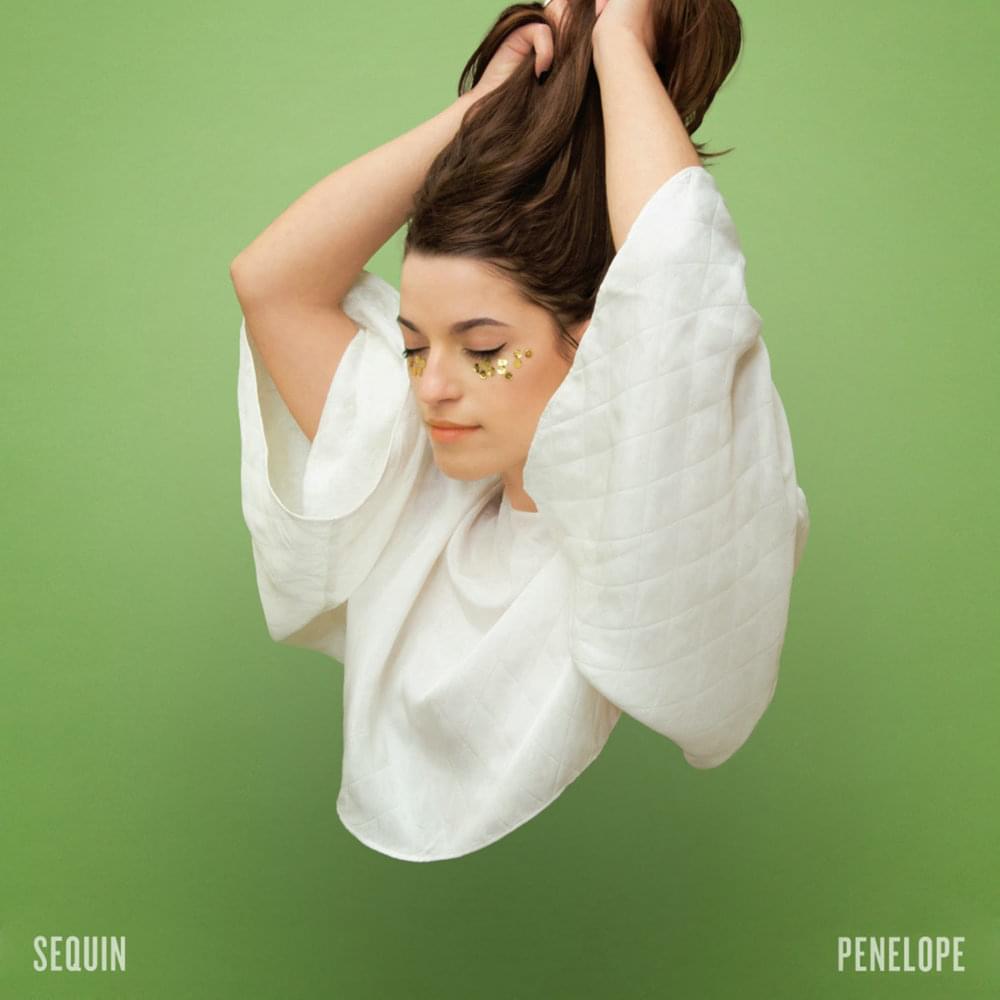
 View Artist