Song Meaning
The lyrics paint a picture of relentless defiance against oppressive forces. The opening lines, "No surrender, still unhurt, we fly," immediately establish a tone of unyielding resilience and upward mobility, even amidst conflict. This isn't just a personal struggle; it's a collective one, fighting against a singular, imposed rule that seeks to homogenize and restrict. The narrator feels their vision blurred and their actions constrained, highlighting the suffocating nature of this external pressure.
The central tension arises from the internal battle against externally generated hate and the external fight against those who enforce conformity. The lyrics suggest a cycle where "the hate we build inside" becomes a "shield" to combat an external threat. This creates a complex dynamic: the fight for freedom requires embracing a certain internal hardness, even as the goal is to resist "inhumanity." The opposition is characterized by envy, as "they see the things they can not be," unable to grasp the freedom the narrator and their group are fighting for.
The most striking aspect is the framing of this ongoing struggle as a "saga." This word, repeated with emphasis, elevates the conflict beyond a mere skirmish to a grand, personal epic. The phrase "battle in the fields of fear" is particularly potent, suggesting that the very ground of their existence is fraught with anxiety. Yet, the declaration "no regrets" underscores a profound commitment to this path, regardless of its difficulty. The repeated mantra, "Do what you can with what you have," grounds this epic in practical, everyday action, making the grand narrative feel earned and immediate.
Ultimately, the effectiveness of these lyrics lies in their potent blend of grand pronouncements and grounded resolve. The imagery of flying "still unhurt" offers a powerful, almost mythical, sense of triumph. This is juxtaposed with the gritty reality of constant "attack defend" and the pragmatic call to action. The repeated assertion of living "what we say we live" and embracing "our will" provides a core of authentic selfhood that anchors the entire narrative, making the "saga" feel both deeply personal and universally resonant in its call for self-determination.
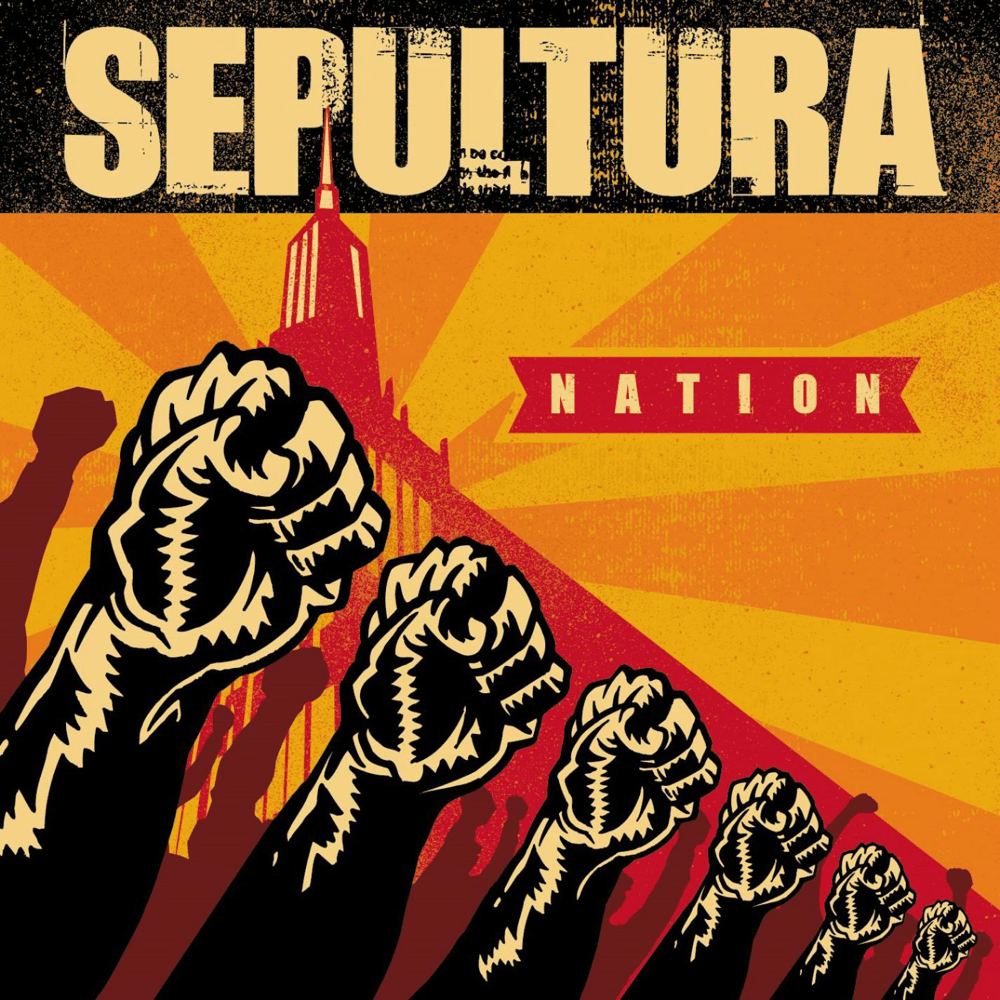
 View Artist