Song Meaning
The lyrics paint a grim picture of a life consumed by negativity, culminating in a death that offers no peace, only continued torment. The opening verse establishes a narrator deeply disillusioned, driven by envy and scorn, unable to escape a pervasive sense of hate and regret. This isn't a peaceful passing; it's a descent into a suffocating darkness, where even pleasant sensations like a rose's smell become sources of corrosion, amplifying a profound agony. The desire to be forgotten under a burial underscores a wish for an end, yet the chorus immediately negates this hope.
The central tension lies in the stark contrast between the desire for rest and the reality of perpetual suffering. The repeated phrase "Rest in pain" acts as a brutal mantra, a prophecy of an afterlife devoid of solace. This isn't a gentle fading away but an active, agonizing continuation, as vividly illustrated in the second verse. The imagery of waking on wet ground, worms corroding flesh, and picking up one's own eyes creates a visceral, nightmarish scenario. The inability to be heard amplifies the isolation, feeding a paranoia that solidifies the narrator's perceived fate: to die crying, a life chosen in its bleakness.
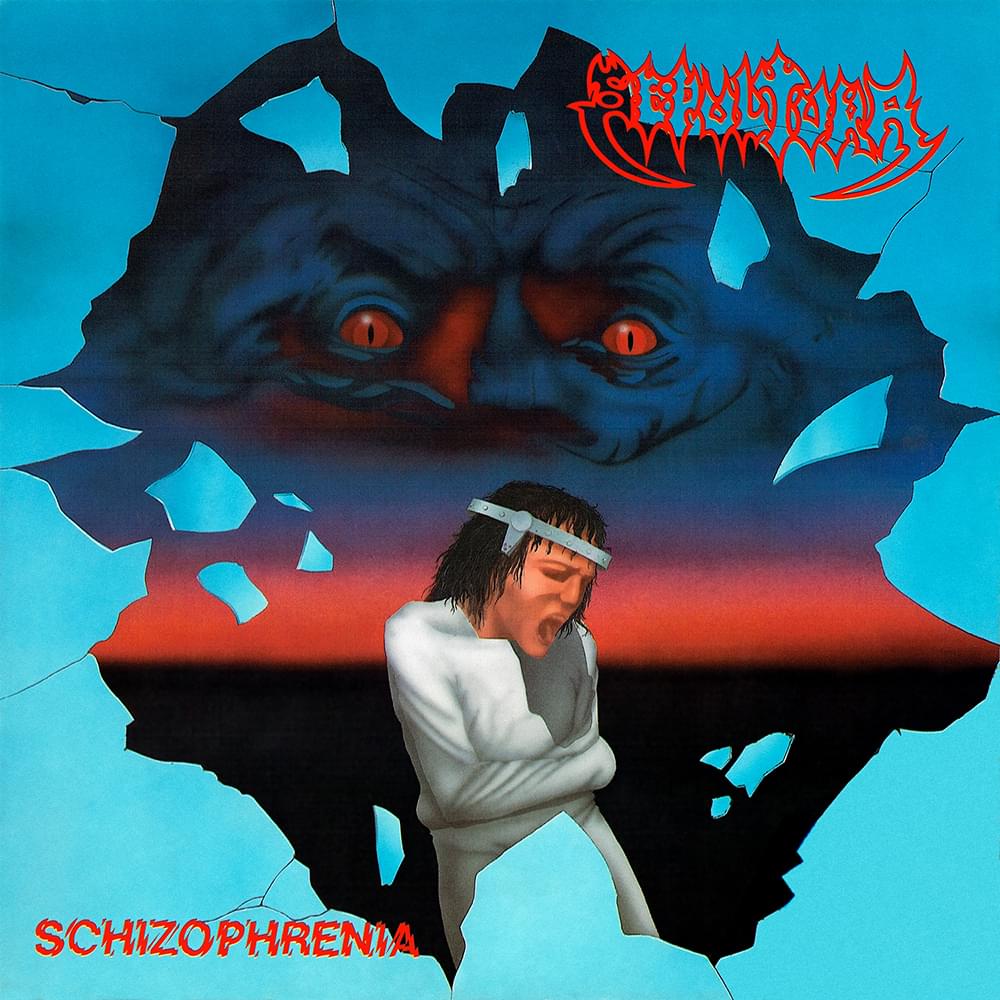
The bridge explicitly names the psychological torment, listing "Schizophrenia," "Paranoia," and "Insane death" before reiterating the core refrain. This suggests the narrator's internal state is the very engine of their suffering, a fractured mind unable to find release even in oblivion. The repetition of the first verse after the second, almost like a broken record, reinforces the inescapable cycle of these negative emotions and experiences. The final "screaming" in the outro leaves no room for ambiguity; the pain is not only real but loud and unyielding.
What makes these lyrics so potent is their unflinching commitment to a bleak perspective, amplified by the relentless repetition of "Rest in pain." The vivid, almost grotesque imagery in the second verse, coupled with the explicit naming of mental distress in the bridge, grounds the abstract agony in concrete, disturbing detail. The writing doesn't offer catharsis; instead, it forces the listener to confront a terrifying vision of a consciousness trapped in its own torment, a fate that feels both deeply personal and chillingly absolute.
 View Artist