Song Meaning
The lyrics paint a stark picture of conflict and refuge, juxtaposing aerial warfare with intimate sanctuary. The opening lines establish a tense, immediate threat: "Radar's on, cruising low altitude" and "Enemy planes coming from foreign skies." This creates a sense of being hunted, with the narrator actively trying to "elude" danger. The dominant emotional tone is one of desperate survival, underscored by the stated goal of the enemy: "With orders to demoralize."
The central tension lies between the overwhelming external chaos and the profound internal peace found in a specific connection. While the world outside is falling apart, with "walls above us are coming down," the narrator finds solace "Holding hands in the underground." This underground space becomes a pocket of absolute presence, where "Everything's here right here" and "Everything's here right now." The repetition emphasizes this singular focus on the immediate, tangible reality of their shared moment, a stark contrast to the abstract, demoralizing threat above.
The most striking craft element is the persistent refrain, "Everything's here right now / All that is, is what is now." This mantra acts as an anchor, a deliberate act of grounding amidst destruction. The narrator grapples with identity in the face of loss, questioning, "Who am I without your photograph?" yet finds a profound sense of being through the present connection. The imagery of "vacant skies" haunted by "ghosts" suggests a past or a potential future that is empty or terrifying, making the "here right here" of their shared underground moment all the more vital and real.
This lyrical construction is effective because it grounds an abstract emotional state in concrete, albeit metaphorical, imagery. The contrast between the high-stakes aerial conflict and the simple act of holding hands creates a powerful emotional resonance. The insistent repetition of "here right here" and "here right now" doesn't just describe a feeling; it actively *creates* it for the listener, mirroring the narrator's attempt to carve out a space of certainty and love amidst overwhelming forces. The final, almost whispered "We could take over" suggests that this present moment, this shared sanctuary, holds its own potent, defiant power.
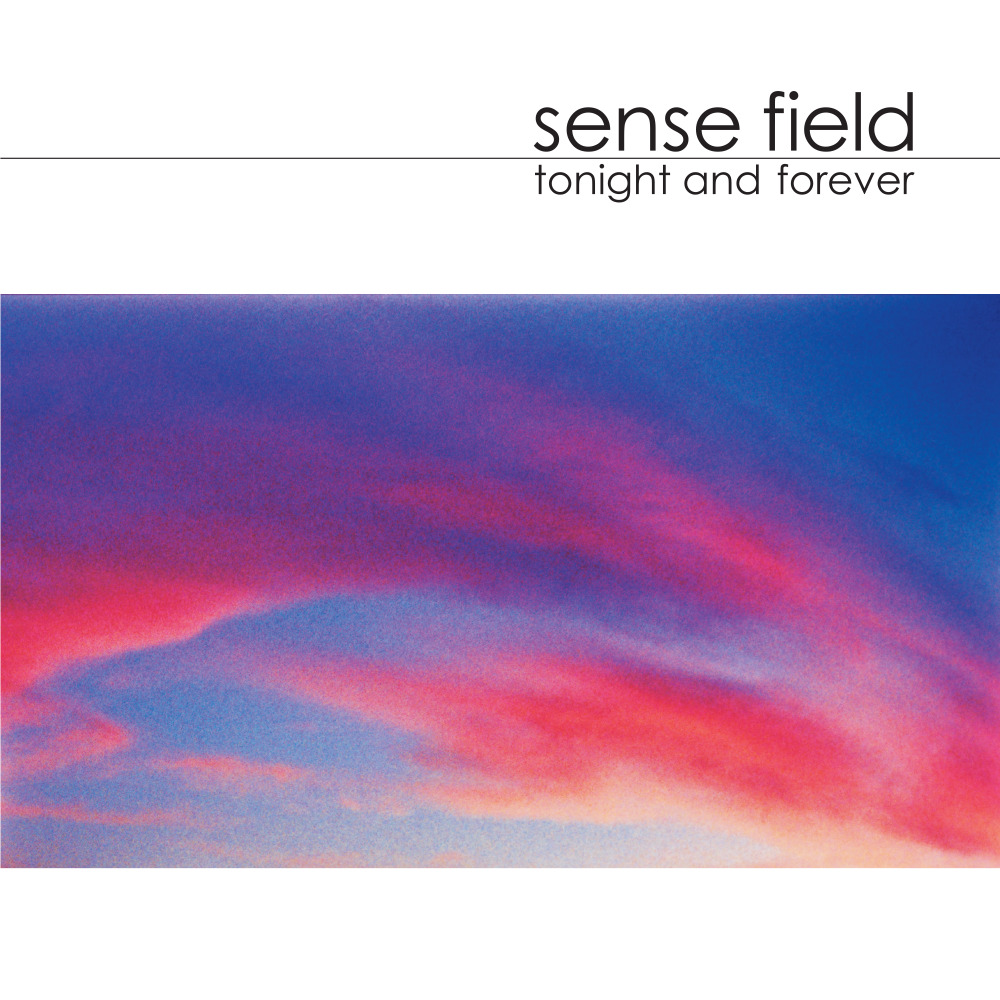
 View Artist