Song Meaning
The lyrics paint a stark picture of betrayal and heartbreak, focusing on the raw aftermath of a relationship's demise. The narrator’s heart once beat wildly for her partner, a feeling described as intense and unprecedented. Now, that passion has curdled into a profound isolation, a state of being left behind that she feels no one else can truly comprehend. This initial verse establishes a deep sense of personal suffering and abandonment.
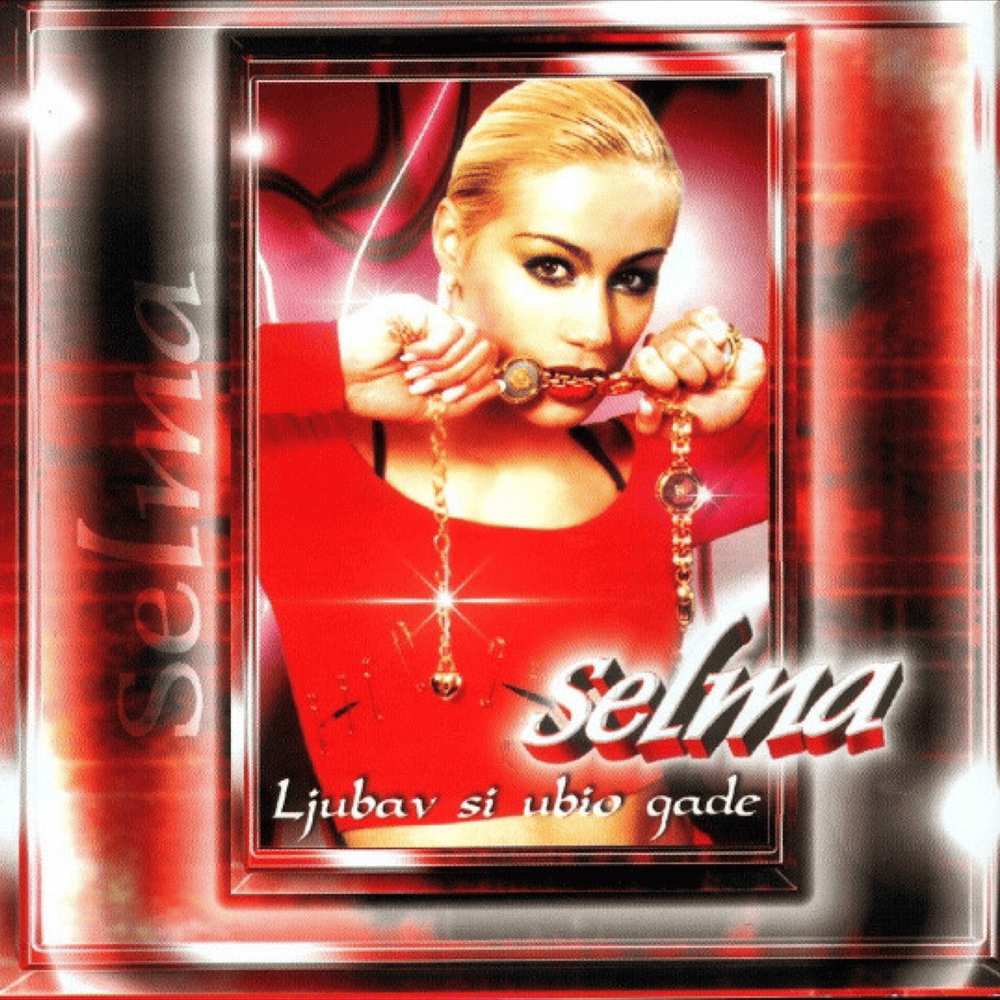
The central tension explodes in the chorus with a direct accusation: "Ljubav si ubio, gade" – "You killed love, you bastard." This isn't a plea or a question, but a definitive declaration of the damage inflicted. The repeated question, "Ko li te meni dade?" ("Who gave you to me?"), expresses a bitter regret, a wish to undo the very moment this person entered her life. The phrase "S tobom mi život propade" ("With you my life fell apart") underscores the totality of the destruction, framing the relationship as a catastrophic event.
The second verse deepens this despair, with the narrator declaring herself "prokleto sama" – cursed and alone. The imagery shifts from internal feeling to external reality: the absence of light, "ni bijela dana" ("not even white day"), suggests a perpetual darkness. The painful realization that another woman now occupies her place, coupled with the unforgiving line "Nikad grijeh nećeš oprati" ("You will never wash away the sin"), solidifies the sense of irreversible betrayal and moral failing on the part of the accused.
What makes these lyrics so potent is their unvarnished directness and the relentless repetition that hammers home the emotional devastation. The simple, accusatory language, devoid of complex metaphor, speaks directly to the gut. The cyclical structure, particularly the insistent refrain, mirrors the obsessive nature of grief and anger, trapping the listener in the narrator's inescapable pain. It’s this raw, almost primal expression of loss that gives the song its visceral impact.
 View Artist