Song Meaning
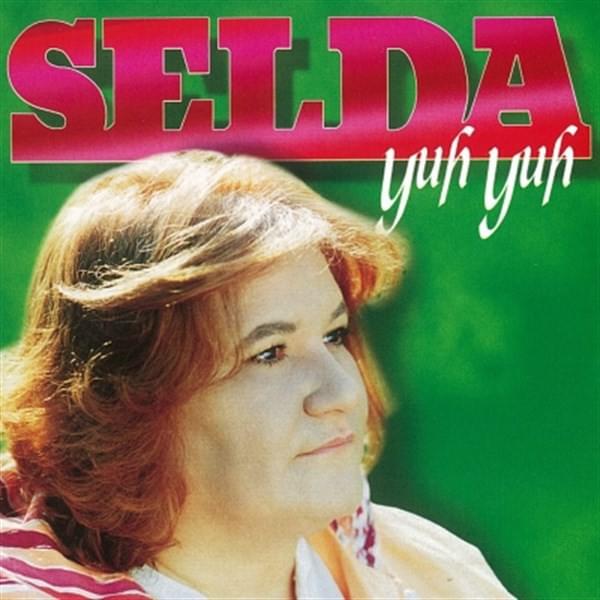
The lyrics paint a stark picture of economic hardship, directly confronting the listener with the reality of rising prices and dwindling resources. The opening verses immediately establish a tone of warning and accusation, as the speaker repeatedly asks, "Didn't I tell you?" This rhetorical device frames the current struggle as a predictable outcome, emphasizing a sense of foreboding that has now materialized. The imagery of an "flame shirt" and "onion bread" for every meal vividly illustrates the impossible choices and sacrifices forced upon those with limited means.
The central tension arises from the overwhelming economic pressure, described as "today is more expensive than yesterday" and "the price hikes never end." The lyrics articulate a feeling of being crushed by a burden too heavy to bear, specifically for the "low-income." This creates a palpable sense of desperation, as the narrator seems to be observing someone else's inability to cope with these escalating costs, or perhaps reflecting on a shared plight.
A particularly striking element is the contrast between luxury and deprivation, with "caviar for your pickle" highlighting the absurd disconnect between what is desired or expected and the harsh reality. The line "You can't choose between crooked and straight" suggests a loss of clarity and direction, a state of confusion where even basic decisions become impossible amidst the chaos. This disorientation is amplified by the image of "no cement in the mortar," leading to a "mess" where the "worker brother is in debt" and "can't swim."
The effectiveness of these lyrics lies in their directness and the persistent, almost taunting, repetition of the warning. The final lines, "Strip, my brother, so this nation / Can't find another like it," delivered with a sense of resigned defiance, leave a lingering impression of profound loss and a desperate plea for recognition of this unique suffering. The repeated question, "Didn't I tell you?" acts as a constant, accusatory echo, reinforcing the inescapable nature of the economic crisis depicted.
 View Artist