Song Meaning
The lyrics paint a vivid picture of longing and separation, centered around a simple, yet profound, request: "Come to the well so I can see you." The narrator's desire to give a rose, a classic gesture of affection, is immediately met with a plea to "stop, stop, don't stop," suggesting an urgent, perhaps desperate, need for connection. The dominant emotional tone is one of yearning, underscored by the physical and perhaps social barriers that keep the lovers apart.
The central tension arises from the vast distance, described as "mountains between us," which makes seeing the beloved impossible. This physical separation is compounded by the narrator's practical concerns about harvesting crops – "three days I'll harvest your barley, five days I'll harvest your wheat." This suggests a life tied to the land and its cycles, a life that prevents them from being with their love, even as they express a deep desire to "take you" or "have you."
The repeated phrase "Dur dur dursene" (Stop, stop, don't stop) acts as a powerful refrain, highlighting the narrator's internal conflict and the agonizing pause in their relationship. It’s a plea for time to stand still, for a moment to bridge the gap, or perhaps a desperate attempt to halt the inevitable separation. The mention of "death in this world" adds a layer of existential urgency, emphasizing that time is fleeting and the opportunity to be together might be lost forever.
What makes these lyrics so effective is their grounding in tangible details and raw emotional expression. The contrast between the romantic gesture of offering a rose and the practicalities of farming creates a poignant portrayal of love constrained by circumstance. The insistent repetition of "Dur dur dursene" captures the feeling of being stuck, of wanting to move forward but being held back, making the narrator's longing palpable and deeply resonant.
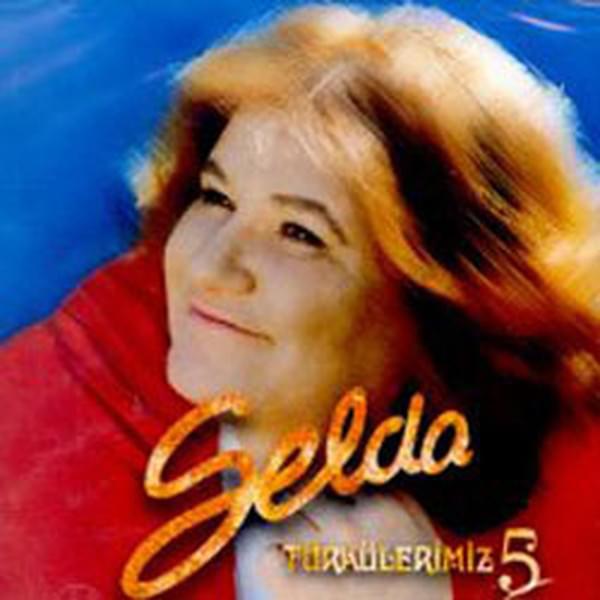
 View Artist