Song Meaning
The lyrics paint a stark picture of loss and disillusionment, questioning what remains in a world that feels fragmented and hostile. The opening lines immediately establish a sense of dispossession, with the world divided and the narrator left with little more than a solitary marker, a 'dikili daş' (standing stone). This image suggests a desolate landscape, both literal and metaphorical, where even the connection to one's own village has been severed, leaving only a 'foolish head' as a remnant. The repeated question, 'Nem kaldı?' (What is left?), underscores a profound sense of emptiness and bewilderment.
The central tension arises from the betrayal of trust and the subsequent isolation. Friends have turned into enemies, and those once considered 'yiğitler' (brave ones) are now filled with regret. This transformation of relationships leaves the narrator with a broken instrument, a 'kırılmış saz' (broken saz), implying a silenced voice or a lost art. The recurring question now echoes with the sound of shattered potential and fractured camaraderie.
The writing masterfully employs stark imagery to convey this emotional weight. The contrast between the vast, divided world and the meager possessions—a stone, a broken saz—highlights the depth of the narrator's impoverishment. The final verse shifts to a more personal, internal state, where the narrator, lacking the power of a 'padişah' (emperor), can offer no grand gestures or gifts to friends. Instead, what remains are tears, 'gözlerimde yaştan gayrı' (other than tears in my eyes), a poignant and raw expression of sorrow.
This lyrical construction is effective because it grounds abstract feelings of loss in concrete, relatable images. The progression from external desolation to internal grief, marked by the repeated, mournful question, creates a powerful emotional resonance. The final image of tears as the sole remaining possession is a deeply human and affecting conclusion to this lament.
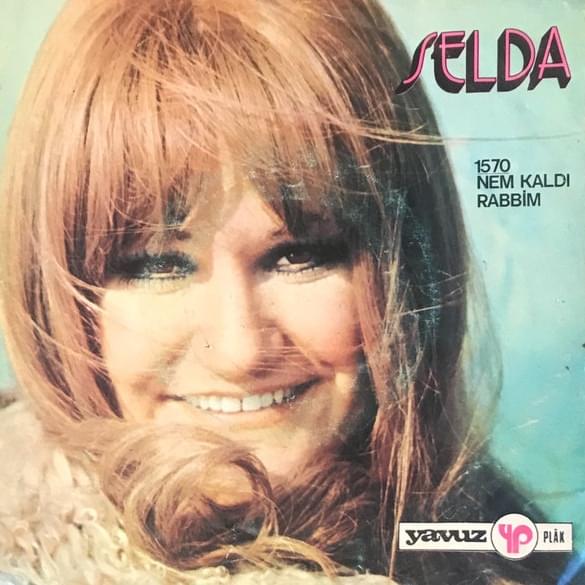
 View Artist