Song Meaning
These lyrics paint a stark, desolate picture of life behind bars. The narrator is trapped in a prison where "güneş doğmuyor" – the sun literally and metaphorically fails to rise. Time itself feels distorted, as "bu ömrüm de gün dolmuyor" even as life passes, creating a profound sense of stagnation and despair.
The central tension lies in the narrator's crushing isolation and desperate plea. They lament that no one, not even "eşim dostum," comes to visit. This profound loneliness culminates in the repeated, rhetorical question, "Yok mu hapihsane beni arayan?" – a cry for any sign of remembrance or care, coupled with the fatalistic declaration, "Bu zindanda öleceğim gardiyan."
What truly hits hard is the shift in the third verse, where the narrator reflects, "Anamdan doğalı garip kalmışım." This suggests a lifelong sense of being an outsider or an orphan, extending beyond the prison walls. This deepens the tragedy, implying that the current confinement is merely an amplification of a pre-existing, fundamental alienation, leading to the poignant question, "Benim zindanlarda neydi işim ?"
The raw power of these lyrics comes from their unvarnished honesty and relentless repetition. The stark imagery of endless nights and sunless days, combined with the direct address to the guard, creates an intimate, almost suffocating portrayal of a soul yearning for connection while resigned to a forgotten end. It's a visceral expression of hopelessness that makes the listener feel the weight of every passing, yet un-ending, day.
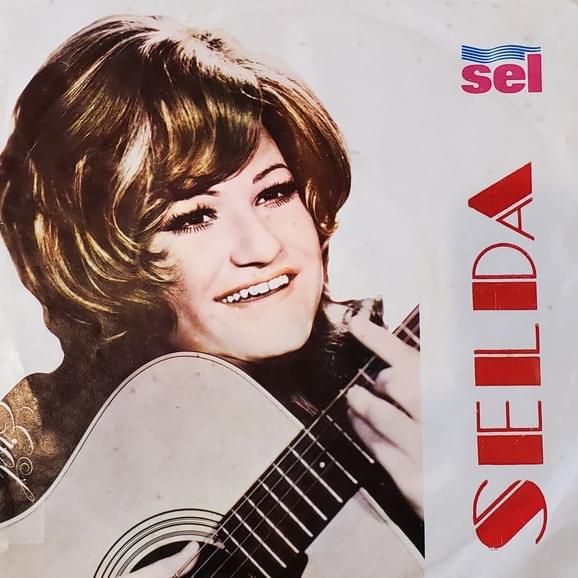
 View Artist