Song Meaning
The lyrics paint a stark picture of longing for a simple, unburdened existence. The narrator wishes to be a stone at the castle's base, a passive, unchanging entity. This desire for stillness contrasts sharply with the active, perhaps burdensome, life implied by wanting to be a "companion" to everyone passing by and a "brother" to a beautiful sister. It's a yearning to be present without the complexities of personal agency or emotional entanglement.
The central tension emerges in the chorus, where the narrator urges to go to the tea house so "father's heart can be entertained." This suggests a responsibility or a desire to bring joy to an elder figure, perhaps a father. The subsequent line, "Tomorrow at God's court, you will speak the truth," hints at an impending judgment or reckoning, implying that the present actions or desires are being weighed against a higher moral standard. The narrator seems caught between personal desires for peace and external obligations.
A striking image appears in the second verse: three fig trees at the castle's base, but this time, the narrator is depicted with "handcuffs, and a chain around the neck." This is a powerful juxtaposition of the earlier wish for passive stonehood with a reality of confinement and burden. The warning, "Don't swing the chain too much, your arms will get sore," is a grimly practical instruction within this imagery of imprisonment, highlighting the physical toll of this constrained existence.
This song's effectiveness lies in its stark, almost fatalistic imagery and the direct, unadorned language. The repetition of phrases like "Kalenin dibinde taş ben olaydım" (If only I were a stone at the castle's base) emphasizes the depth of this wish. The shift from the passive desire for stonehood to the active imagery of chains and judgment in the chorus and second verse creates a potent emotional weight, suggesting a deep-seated weariness with life's struggles and a contemplation of consequences.
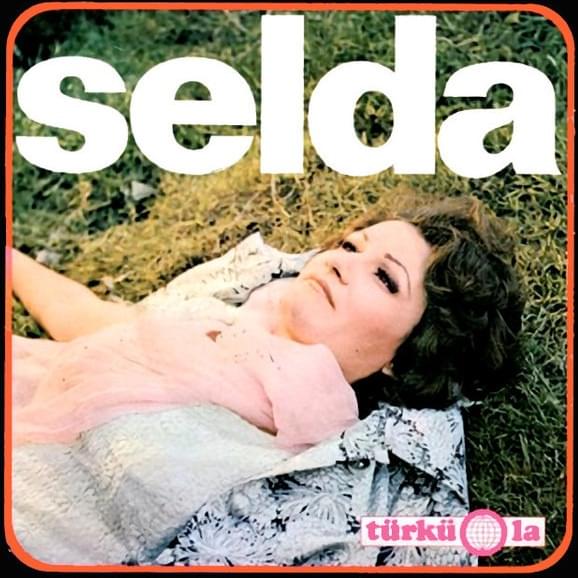
 View Artist