Song Meaning
This hymn opens with a profound declaration of salvation, framing it as a divine intervention that rescues a "wretch." The immediate contrast between being "lost" and "found," and "blind" and seeing, establishes a powerful narrative of transformation. It’s a raw, honest admission of past brokenness met by an overwhelming, sweet grace.
The core tension lies in the nature of this grace itself. The lyrics suggest it’s not just a one-time event but an active force that both instilled a sense of awe and fear, and subsequently relieved those very fears. This dual action highlights the profound, almost paradoxical, impact of faith – it brings a healthy respect for the divine while simultaneously offering peace.
The most striking craft element is the persistent use of parallel structure and antithesis to underscore the magnitude of the change. Phrases like "I once was lost but now am found" and "Was blind but now I see" create a rhythmic, undeniable testament to a before-and-after. This isn't just a subtle shift; it's a complete reorientation of existence, articulated with stark simplicity.
Ultimately, the effectiveness of these lyrics stems from their directness and the vivid, albeit brief, portrayal of a radical spiritual awakening. The final stanza extends this transformation into an eternal perspective, suggesting that the joy and praise will continue unabated for millennia. It’s this sense of an unending, bright future, born from a moment of profound belief, that resonates so deeply.
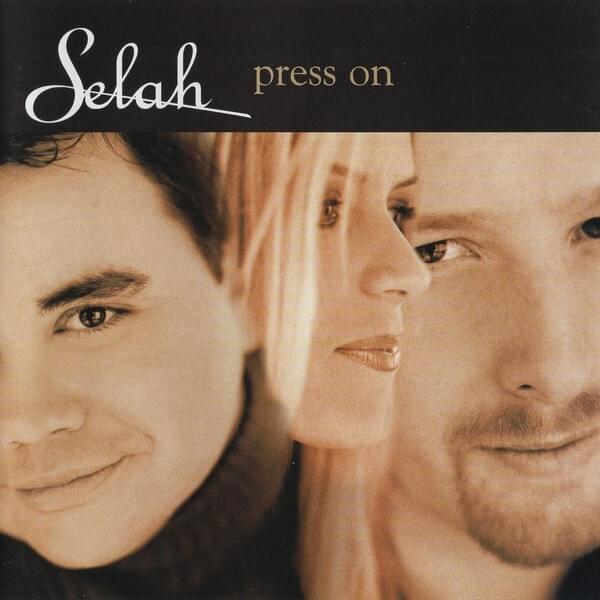
 View Artist