Song Meaning
The narrator is caught in a cycle of despair, desperately seeking a transformative 'light' to escape the 'darkest hollows.' This isn't just about a bad mood; it's a profound yearning for connection and warmth, a plea for something external to alleviate an internal coldness. The desire is so intense it borders on possessive: "Let me feel you all mine, close to my being." This suggests a deep-seated loneliness that colors every interaction and hope.
The core tension lies between the narrator's passive despair and a hesitant attempt at active engagement. They observe someone else who "dance[s] alone" and is "always on your way," seemingly unburdened by the narrator's own struggles. The narrator contemplates mirroring this behavior, "dance alone beside you," not out of genuine shared joy, but as a strategy to avoid feeling 'low again.' It's a coping mechanism born from a place of vulnerability, not confidence.
The lyrics repeatedly emphasize a desire to avoid negative feelings, specifically "won't feel low again." This refrain acts as a constant reminder of the underlying emotional struggle. The contrast between the external world, which is "cold" and a "summer's waste," and the internal craving for closeness highlights the narrator's isolation. The repeated phrase "close to my being" in the bridge amplifies the intimacy sought, making the external 'light' feel like a person or a profound emotional state.
Ultimately, the effectiveness of these lyrics stems from their raw depiction of yearning. The simple, direct language conveys a powerful sense of vulnerability and a desperate hope for salvation, whether it comes from an external force or a shared connection. The focus isn't on grand gestures, but on the fundamental human need to feel seen and warm, to escape the pervasive chill of loneliness.
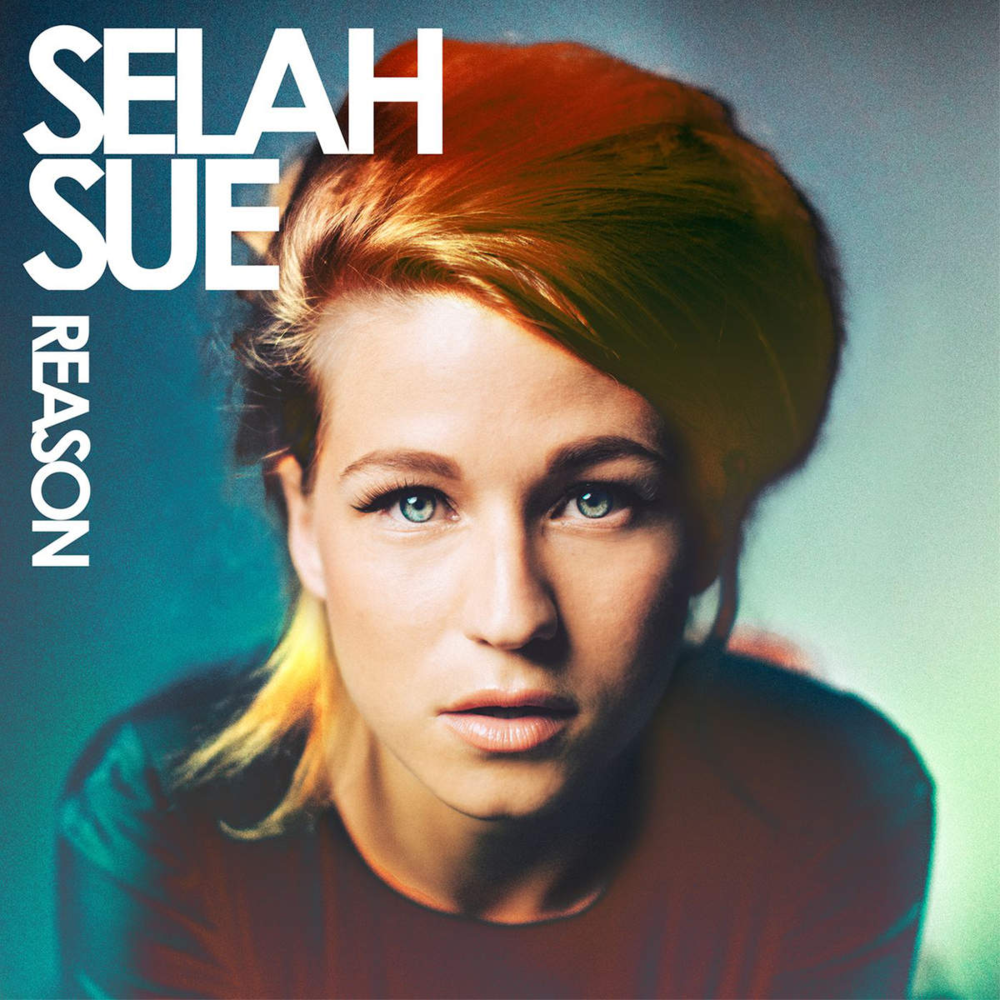
 View Artist