Song Meaning
The lyrics paint a poignant picture of a past love that the speaker wants to keep private. The narrator instructs a former lover on how to describe their relationship to others, emphasizing a desire for discretion. The repeated phrase "Reci mu 'Prijatelj samo'" (Tell him 'Just a friend') immediately establishes a tone of guardedness and a need to downplay the significance of their connection. This suggests a situation where revealing the depth of their past feelings would be complicated or unwelcome.
The central tension lies in the contrast between the private reality of a passionate love and the public facade of mere friendship. The narrator explicitly states, "Ne mora svako znati da smo se voleli mi" (Not everyone needs to know that we loved each other), highlighting a deliberate choice to conceal the intensity of their past. This secrecy is further underscored by the melancholic imagery of "nestali naši sni" (our dreams disappeared without a trace), implying a love that ended abruptly or without resolution, leaving behind only unspoken memories.
The craft here is in the gentle, almost resigned repetition and the evocative, understated imagery. The instruction to "Prošetaj stazama starim, tamo gde nema nas" (Walk the old paths, where we are no longer) is a powerful, quiet evocation of absence and the lingering presence of memory. The final stanza introduces the metaphor of a "spomenar" (memory book) built for their love, where they "dali smo... mladosti naše žar" (gave... the fire of our youth). This elevates their past relationship to something precious and formative, even as it's now relegated to private remembrance.
What makes these lyrics resonate is their delicate handling of heartbreak and memory. The narrator isn't angry or bitter; instead, there's a profound sense of wistful acceptance. The desire to protect the memory of a significant love, even while moving on and presenting a different narrative to the world, taps into a universal human experience of cherishing private histories. The lyrics suggest that some loves, though past, leave an indelible mark, shaping who we are and holding a special place in our internal "memory books."
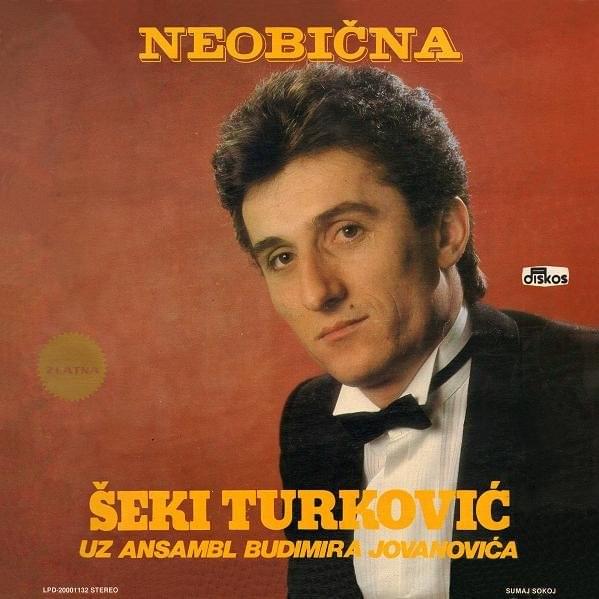
 View Artist