Song Meaning
The lyrics paint a picture of someone grappling with self-image and the desire for genuine connection amidst a world that prioritizes superficiality. The opening lines, "聖地・トイレにて君を想う" (Thinking of you in the sacred toilet), immediately establish a jarring contrast between the mundane and the profound, suggesting that even in the most ordinary, private spaces, the narrator is consumed by thoughts of another person. This contemplation isn't about grand gestures, but a meticulous dissection of their online presence: "つぶやきの語尾や句読点の位置から 君の本音を探ること" (Searching for your true feelings from the end of your tweets and punctuation).
This pursuit of authenticity clashes with the narrator's own anxieties about presenting themselves. The desire to be "玉城ティナちゃんにしてください!!!" (Make me like Tina Tamashiro!!!) at the salon, followed by the expensive shampoo and the "ノーダメージ絶望ごっこ" (playing at despair with no damage), highlights a performative approach to beauty and self-worth. The stark declaration, "カワイイはつくれる キレイはきたない" (Cute can be made, beautiful is dirty), reveals a deep-seated cynicism about manufactured perfection, contrasting it with an unnamed, perhaps unattainable, genuine state.
The core tension seems to lie in the narrator's yearning for a love that transcends superficiality and societal pressures. They reject the idea of a partner who would trade them for someone conventionally "cute" ("そんなかわいいはいらないわ" - I don't need that kind of cute), instead pleading, "おばさんになっても抱きしめて" (Hold me even when I'm old). This plea is amplified by the recurring, almost mantra-like, "Joy to the ワンルーム" (Joy to the one-room), suggesting that true happiness and connection are sought within the confines of personal space, away from the performative demands of the outside world.
The lyrics cleverly employ playful, almost absurd imagery to underscore the narrator's emotional state. The "ほっぺたみたいなふともも最高!!!" (Thighs like cheeks are the best!!!) and its inversion, while seemingly nonsensical, express an embrace of unconventional beauty and a desire for acceptance of one's whole self. This is further emphasized by the paradoxical "気持ち悪くなきゃ気持ちよくなれない" (Can't feel good without feeling sick), hinting that a certain level of discomfort or vulnerability is necessary for genuine pleasure or self-acceptance. The repeated "幸福19" (Happiness 19) and "幸福イク" (Happiness goes/comes) suggest a fleeting, perhaps youthful, and not fully realized sense of happiness that the narrator is striving to grasp, even as they acknowledge their own flaws: "悪いとこだらけなんだ" (I'm full of bad parts).
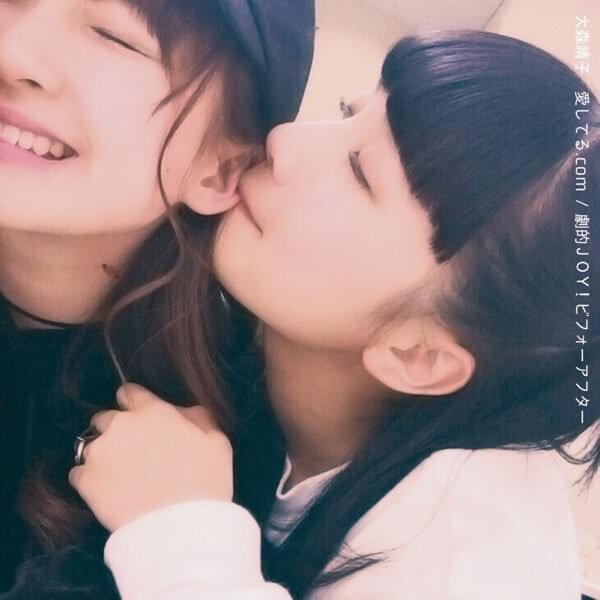
 View Artist