Song Meaning
The lyrics open with a solitary, introspective scene: the speaker is "a bit drunk, a bit in love," searching for hope while others sleep. Despite a clear sense of loss, they repeatedly declare, "I am neither sad nor resentful." This immediate contrast sets a complex emotional tone.
The central tension arises from this declared emotional resilience against a backdrop of unfulfilled love. The speaker laments, "my love is not in my hands" and "my brightness darkened" because they "couldn't get enough of your love." This suggests a deep personal void, yet the refusal to succumb to sadness or resentment hints at a powerful inner fortitude.
The most striking craft element is the recurring metaphor of "üvey" (step-). Initially, the speaker denies literal "step" roles, stating, "I was not a stepchild, I was not a stepmother." This denial then expands into a profound existential question: "Is 'step-humanity' my destiny?" and later, "Were 'step-loves' my destiny?" This word choice elevates personal experience into a broader query about belonging, authenticity, and the nature of their connections.
These lyrics are effective because they juxtapose vulnerability with a defiant acceptance of hardship. The speaker surprisingly declares, "I love both pain and trouble" because "they make me grow." This embrace of adversity, coupled with the unwavering assertion that "my faith will not be lost," creates a compelling portrait of someone finding strength not despite their struggles, but through them, even as they grapple with a fundamental sense of being an outsider.
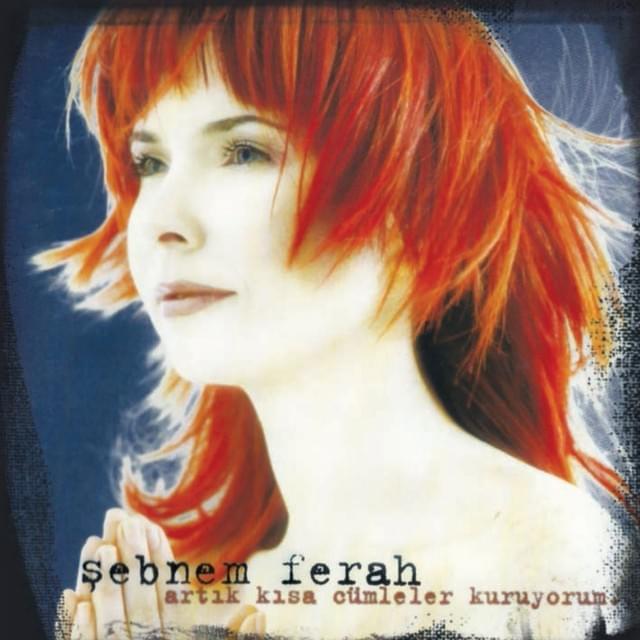
 View Artist