Song Meaning
This track paints a surreal, dreamlike scene where a "grand carnaval" unfolds under an impossible "snow in summer." The imagery of straw nets adds a rustic, perhaps even chaotic, texture to this paradoxical celebration. It immediately establishes a tone of playful disorientation, hinting at a space where the usual rules of nature and time don't apply, setting the stage for a deeply personal narrative.
The core of the piece seems to revolve around a transition, a conscious shift from a past state to a new reality. The narrator speaks of writing the history of "the great sharing" and a "blue past," suggesting a reflection on collective or personal memories. This is immediately contrasted with a desire to "change the shores," moving away from a "forgotten Brazil" to chase a dream. This tension between remembering and reinventing, between a fixed past and an imagined future, drives the emotional arc.
The most striking element is the persistent juxtaposition of contradictory ideas: "snow in summer," "tropical winter," and the "USA version." These aren't just poetic devices; they create a sense of displacement and altered perception. The "calypso" caressing the ground and playing a "danced game" further blurs the lines between sound, movement, and sensation, suggesting that this dreamscape is not just seen but deeply felt. The repetition of "L'amour carnaval" anchors these shifting images in a central, albeit abstract, concept of love as a wild, unpredictable festival.
Ultimately, the lyrics resonate because they capture the feeling of being caught between worlds, of love and memory being as fluid and disorienting as a dream. The "forgotten Brazil" and the "USA version" suggest a personal history being reinterpreted, perhaps a longing for a lost place or time that is now being re-imagined through the lens of a vibrant, almost overwhelming, "carnaval" of emotion. The closing line, "As I loved you," ties this grand, surreal spectacle back to a specific, poignant personal connection.
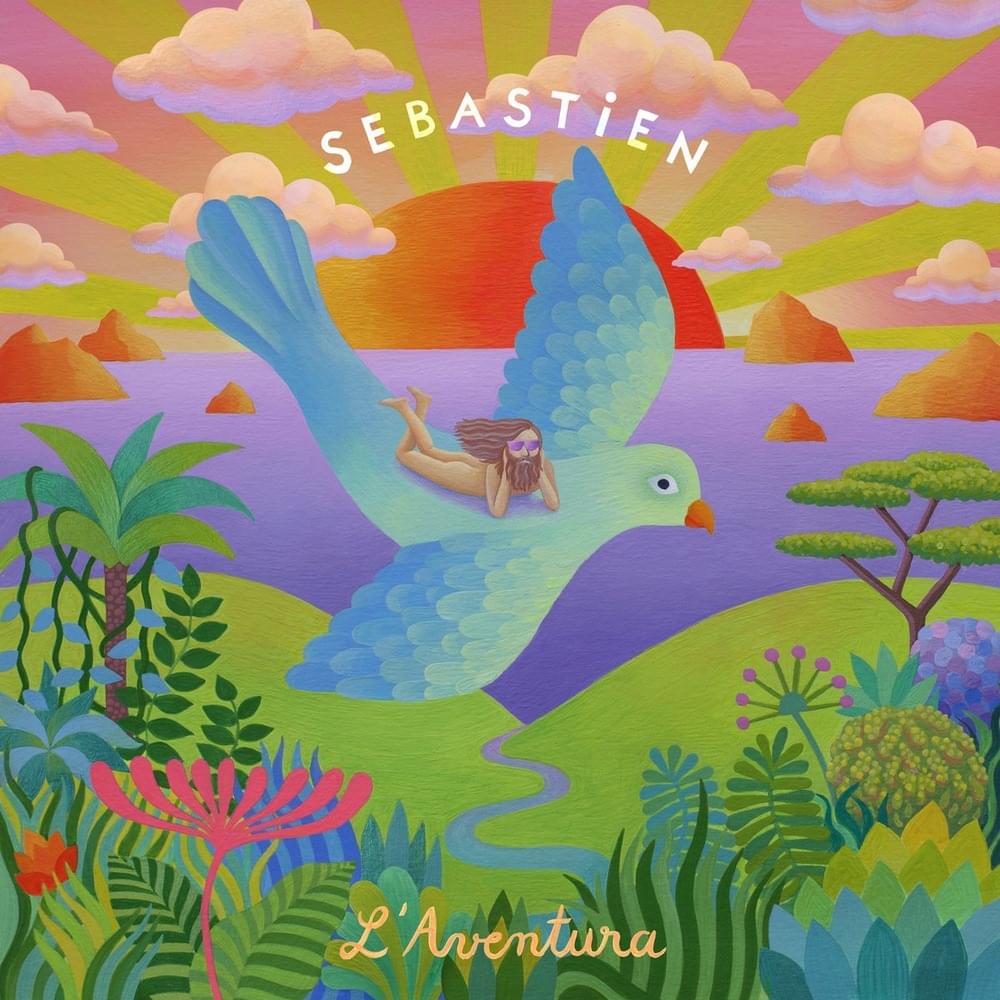
 View Artist