Song Meaning
The lyrics paint a picture of a relationship fraying, not with a bang, but a slow, quiet disconnect. The opening lines, "I've given up on giving up," immediately signal a weary resignation, a point where the effort to salvage things feels more exhausting than the potential loss. The narrator acknowledges a communication breakdown, "I missed some of the words," but frames it as an ongoing, almost mundane occurrence, suggesting this distance isn't new.
There's a palpable tension between assigning blame and accepting fate. The narrator explicitly absolves the other person, stating, "None of this can be your fault" and "There's really nothing you can do." This could be genuine empathy or a way to avoid confronting a deeper, unresolvable issue. The repeated question, "What is this you you talk about? / Define the "I" that you speak from," points to a fundamental misunderstanding or a feeling that the other person's expressed self doesn't align with their actions or the reality of their connection.
The most striking element is the recurring refrain, "Honey I'll never know what you mean," paired with the stark pronouncement, "Separate." This highlights a core inability to bridge the gap in understanding, a chasm so wide that separation becomes the only logical outcome. The imagery of "walking deep into the woods" and feeling "not feeling very good" further emphasizes a sense of being lost and disoriented within the relationship's decline, a feeling amplified by the admission, "I never have been home."
Ultimately, these lyrics resonate because they capture the quiet, internal unraveling of connection. The effectiveness lies in the narrator's resigned tone and the focus on the subtle, almost imperceptible ways intimacy erodes. It's not about a dramatic fight, but the slow realization that two people, despite their efforts or lack thereof, have drifted too far apart to ever truly understand each other, leading to an inevitable, quiet parting.
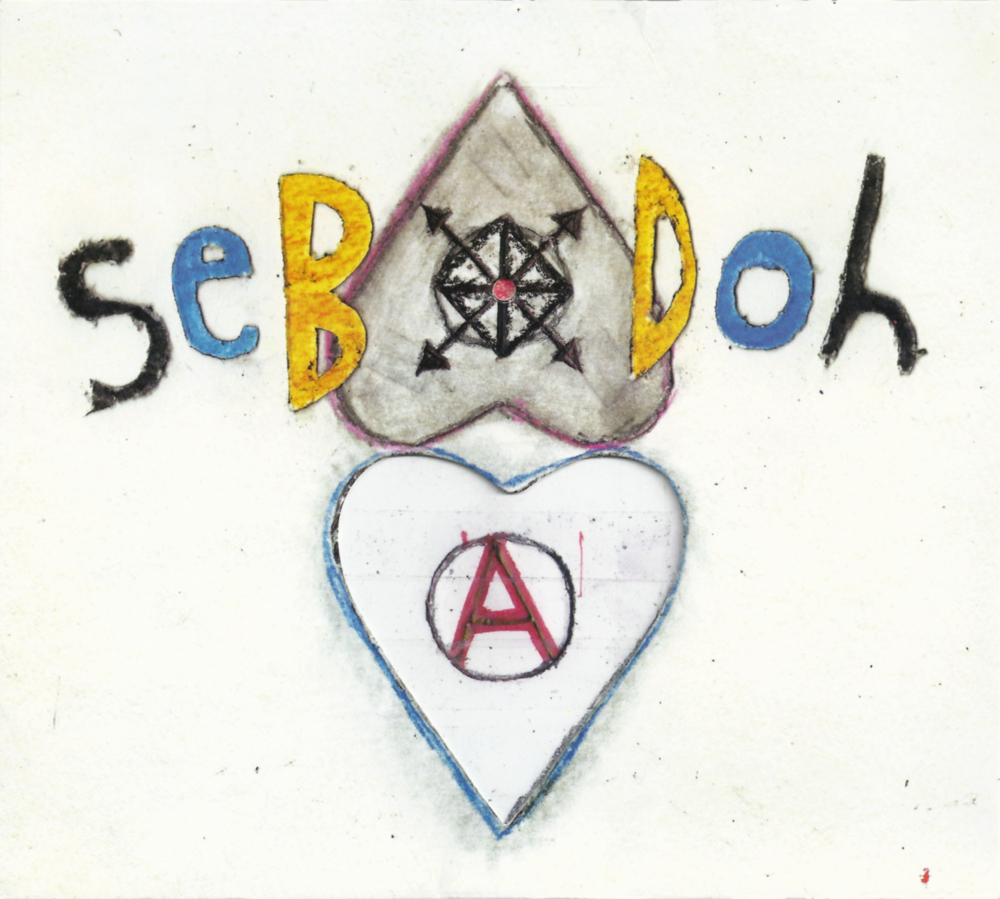
 View Artist