Song Meaning
The lyrics immediately plunge into a raw struggle with mental anguish, as the speaker declares, "Medicate, I hate my brain." There's a desperate plea to "cover up the pain," suggesting an urgent need for escape. This opening sets a tone of profound internal conflict and a search for relief.
The core tension lies in the speaker's desire for relief clashing with an aversion to the consequences. They explicitly state, "No, I don't want your hangover," yet immediately question, "But how will I learn to be sober?" This reveals a deep-seated dependency, where the path to true healing feels elusive, perhaps even impossible, without the very thing causing harm. The speaker seems caught in a cycle, unable to break free from the allure of temporary escape.
A particularly striking element is the unexpected longing for familiar pain. After expressing a desire to escape, the speaker admits, "Oh, I miss it when / The sorrow tempts me again." This isn't a longing for sorrow itself, but for the *temptation*, implying a perverse comfort in the known patterns of distress, or perhaps a fear of the unknown that sobriety might bring. It suggests a deeply ingrained habit, where even the struggle with sorrow has become a familiar, almost missed, companion.
The lyrics effectively broaden this internal battle beyond just chemical dependency. The shift to "Meditate, I'll try to pray" introduces a spiritual dimension, but even here, the speaker finds a transactional cynicism, noting that what "God gives away" seems to have a fee. This suggests a pervasive sense of being exploited or having to "pay to repeat" even spiritual solace. The added line, "And how can I live unforgiven?" in the second chorus deepens the emotional stakes, revealing a profound guilt or self-condemnation that no quick fix, chemical or spiritual, seems able to resolve. The raw honesty and the expansion of the struggle across different facets of life make these lyrics resonate with anyone who's felt trapped by their own mind.
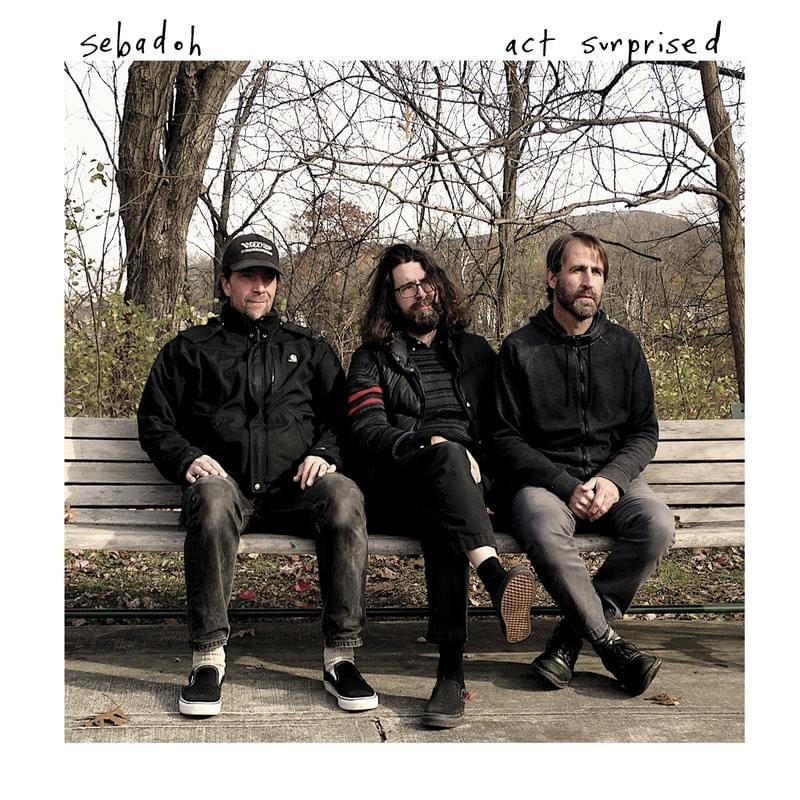
 View Artist