Song Meaning
The lyrics paint a stark picture of a catastrophic flood, framed by the historical "day of the dam." This isn't just a natural disaster; it's presented as an overwhelming force, "stronger than a man," that obliterates everything in its path, from barrels and chests to entire bridgeworks. The repetition of "Crisis; cry sister" immediately establishes a tone of desperate lament, a plea amidst chaos that the speaker, despite the shared pain, cannot alleviate. The phrase "It's been real; it's been nice sis" carries a heavy irony, a farewell to a life or relationship now irrevocably lost to the "crisis."
The central tension lies in the speaker's inability to help their "sister" through this overwhelming event. The imagery of people fleeing factories and one man facing the wave with raised arms, only to meet his fate, underscores the sheer helplessness against the "tango flood." The speaker's declaration, "I can't help with your crisis" and "I can't go on like this," reveals a profound personal detachment or exhaustion, even as they acknowledge the impending loss, "Yes, I'm gonna miss your kiss."
The most striking craft element is the abrupt shift in perspective and tone towards the end. The narrator, or perhaps the force of the crisis itself, declares, "I Am A Tribal Chief / My Name Disorder." This personification of chaos as a primal, ruling entity is chilling. The subsequent lines, "Flesh And Blood / A Tango Flood / The antichrist is sleeping," elevate the disaster from a mere event to an almost apocalyptic, primal force, suggesting a deep-seated, perhaps even spiritual, breakdown that the flood merely manifests. The broken pieces of pottery serve as a lingering, tangible reminder of what was shattered.
These lyrics resonate because they capture the feeling of being overwhelmed by forces beyond one's control, both external and internal. The contrast between the intimate "cry sister" and the grand, almost mythological pronouncements of "Disorder" and "The antichrist" creates a powerful emotional arc. The speaker's personal grief is dwarfed by the scale of the catastrophe, leaving a lingering sense of profound loss and the unsettling idea that the crisis is not just an event, but a fundamental state of being.
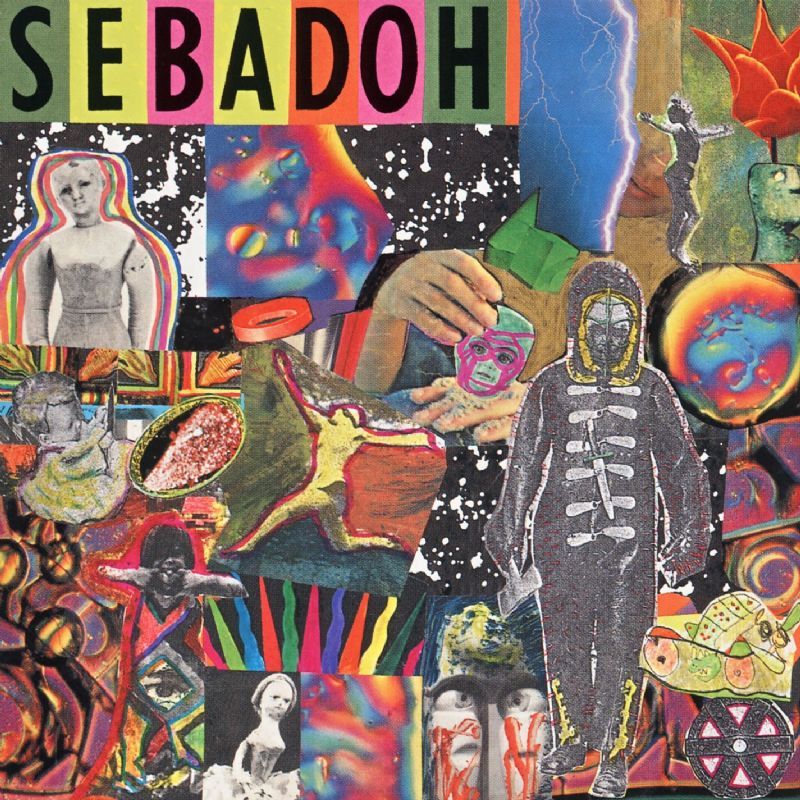
 View Artist