Song Meaning
The narrator is grappling with a sense of premature exhaustion and a recurring inability to move past a specific formative age. The opening lines, "Calling it early again / I'm far from sober," immediately establish a tone of self-sabotage and a lack of genuine resolution, suggesting a pattern of avoidance rather than healing. This feeling is amplified by the admission, "distractions aren't what they used to be," indicating a loss of efficacy in coping mechanisms that once provided temporary relief. The core sentiment revolves around an "inescapable" recognition of personal "incapable" nature, a stark admission that feels both new and deeply familiar.
The central tension arises from the narrator's fixation on the age of sixteen, a time when they "tried to be over my youth." This phrase is crucial, implying a conscious effort to shed a youthful identity or phase, an effort that seems to have been unsuccessful or incomplete. The lyrics suggest a past relationship where a partner's "point of view was lacking trust" in the narrator's attempts to be someone else, hinting at external pressure or judgment that contributed to this struggle. The repeated assertion, "It feels like it's never been this way before," juxtaposed with the specific memory of sixteen, creates a disorienting sense of timelessness in this internal conflict.
The most striking aspect of the craft is the subtle shift in perspective and the cyclical nature of the narrative. Initially, the narrator states, "16 was the age where I tried to be over my youth." However, by the bridge, this becomes a collective experience: "16 the age where we tried to be over our youth." This subtle change from "I" to "we" suggests that the struggle with outgrowing youth, or perhaps the relationship itself, was a shared endeavor, even if the initial attempt was individual. The contrast between "stormy weather" and the clear, albeit painful, realization that "we wouldn't last forever" highlights a mature, resigned acceptance that underpins the narrator's current state.
Ultimately, these lyrics resonate because they capture the disquieting feeling of being stuck in a loop of self-discovery and regret, particularly around a pivotal age. The narrator's frankness about their "incapable" state and the acknowledgment of past relationship dynamics, framed by the persistent echo of sixteen, makes the emotional weight palpable. The decision to "fuck all the waiting / The stress I'm creating" signals a potential, albeit weary, embrace of the present, even as the past continues to cast a long shadow.
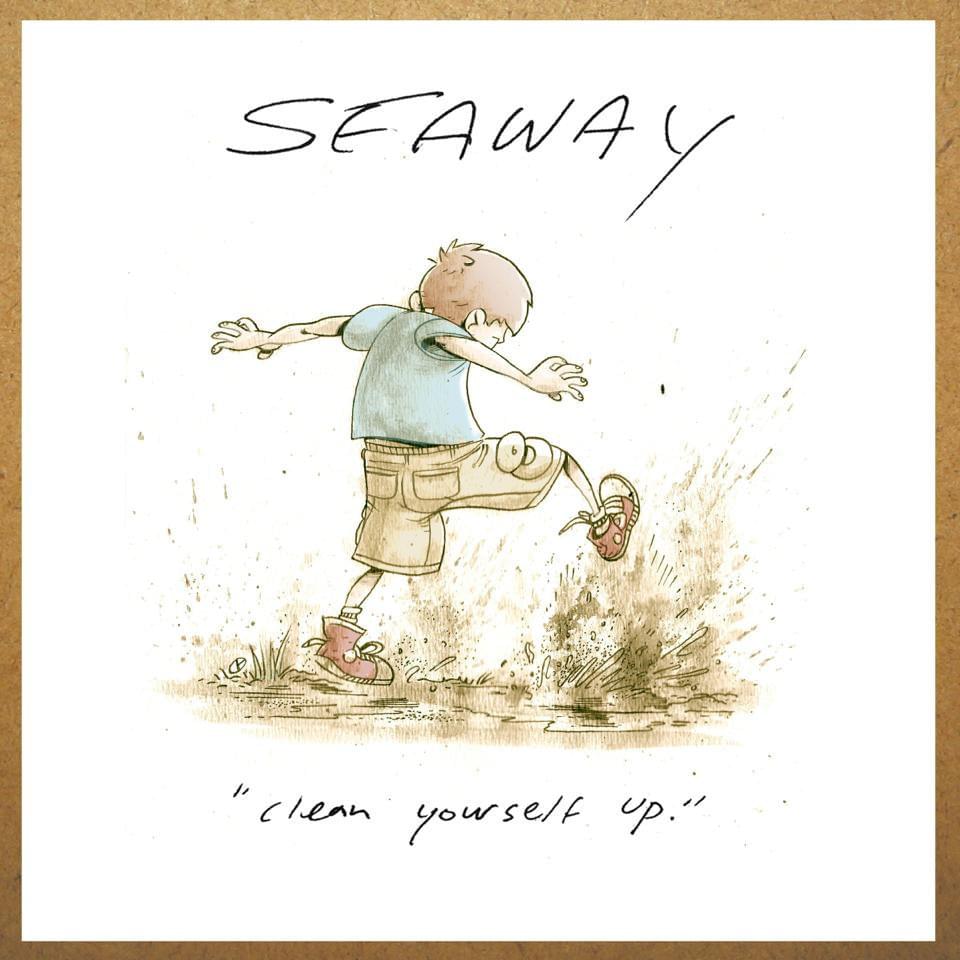
 View Artist