Song Meaning
The lyrics paint a stark picture of a young narrator shaped by early trauma and a defiant sense of self-reliance. The opening lines immediately establish a foundational event: a sibling's incarceration at age twelve, coinciding with the narrator's own ninth year. This experience seems to have instilled a deep-seated distrust, as the narrator states, "since that day ain't talk to twelve." The phrase "EVO 1, if I die then evil won" suggests a personal code or a critical juncture where succumbing to hardship would mean a spiritual defeat, framing the narrator's existence as a constant battle.
The dominant emotional tension stems from a fierce independence born out of perceived abandonment and a harsh environment. The repeated declaration "Black Sheep, Black Sheep" underscores a feeling of otherness and isolation, rejecting external support with "Don't need your help, do that for yourself." This isn't just bravado; it's presented as a survival mechanism in a world described as "hell." The narrator's focus shifts to immediate material concerns and desires – "This bitch owe me nut," "This nigga owe me cheques" – juxtaposed with coping mechanisms like "Big blunts when I'm stressed" and "Then I have some sex," highlighting a raw, unfiltered approach to managing pain and pressure.
The craft here is in the blunt, almost transactional language used to process complex emotions and experiences. The shift from the heavy opening to the more immediate, almost list-like recounting of current preoccupations – "New whip gettin' wrecked," "Switched up, now I'm blessed" – showcases a mind constantly navigating immediate threats and fleeting comforts. The repetition of "Black Sheep" acts as an anchor, a self-imposed identity that solidifies the narrator's solitary stance against the world. The final lines, "Think it's time," coupled with the fading "Black Sheep" echo, suggest a potential turning point or a resignation to this self-defined path, leaving the listener with a sense of unresolved intensity.
This writing is effective because it avoids sentimentality, opting instead for a visceral portrayal of resilience forged in difficult circumstances. The directness of the language, the stark imagery, and the relentless focus on self-preservation create a compelling, albeit bleak, portrait. The narrator’s internal monologue feels authentic, capturing a specific kind of struggle where trust is a luxury and survival is the only imperative. The raw honesty, particularly in the contrast between past trauma and present coping, makes the emotional weight of the lyrics palpable.
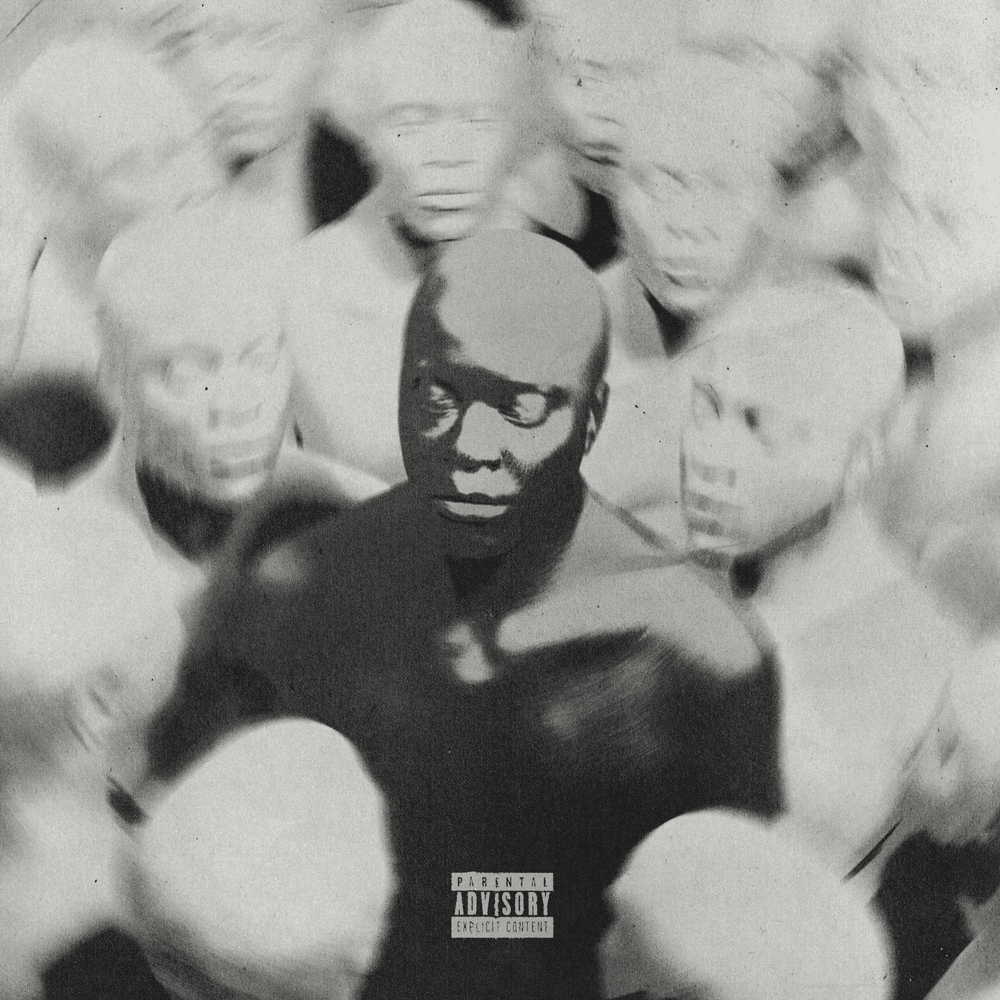
 View Artist