Song Meaning
The lyrics paint a picture of someone feeling vulnerable and perhaps out of their depth, "crawling weakly" with "poor four eyes." There's a sense of unease and a desire for closeness, even if it's in a hidden, almost desperate way, as suggested by the invitation to "lie here / Under my bed or deep under my fingers." This opening sets a tone of tentative intimacy mixed with a palpable feeling of being exposed or ill-equipped.
The central tension seems to revolve around the act of "civiliz[ing] that worm," a phrase that implies taming or controlling a base instinct or a hidden, perhaps unpleasant, truth. The narrator suggests this taming is only possible when "we lie," hinting that deception or a manufactured reality is necessary to manage this inner 'worm.' This act is framed as essential for navigating "vagrant time," suggesting a need to impose order or normalcy onto chaotic or aimless periods.
The repeated refrain about "fortune's to behold" and a "widow's nest is growing cold" creates a stark contrast. While fortune is presented as something to "believe it," the imagery of a cold nest suggests loss, decay, or a lack of warmth and life. The directive to "hide your handiwork" and the promise of going home "alive" implies a dangerous situation where one's actions have consequences, and survival depends on discretion and perhaps a return to safety or a simpler state.
Ultimately, the effectiveness of these lyrics lies in their evocative, slightly unsettling imagery and the ambiguity of the central metaphor. The juxtaposition of vulnerability and control, deception and survival, creates a compelling emotional landscape. The narrator appears to be grappling with the necessity of masking true feelings or intentions to navigate a precarious existence, where outward appearances and careful actions are paramount for survival.
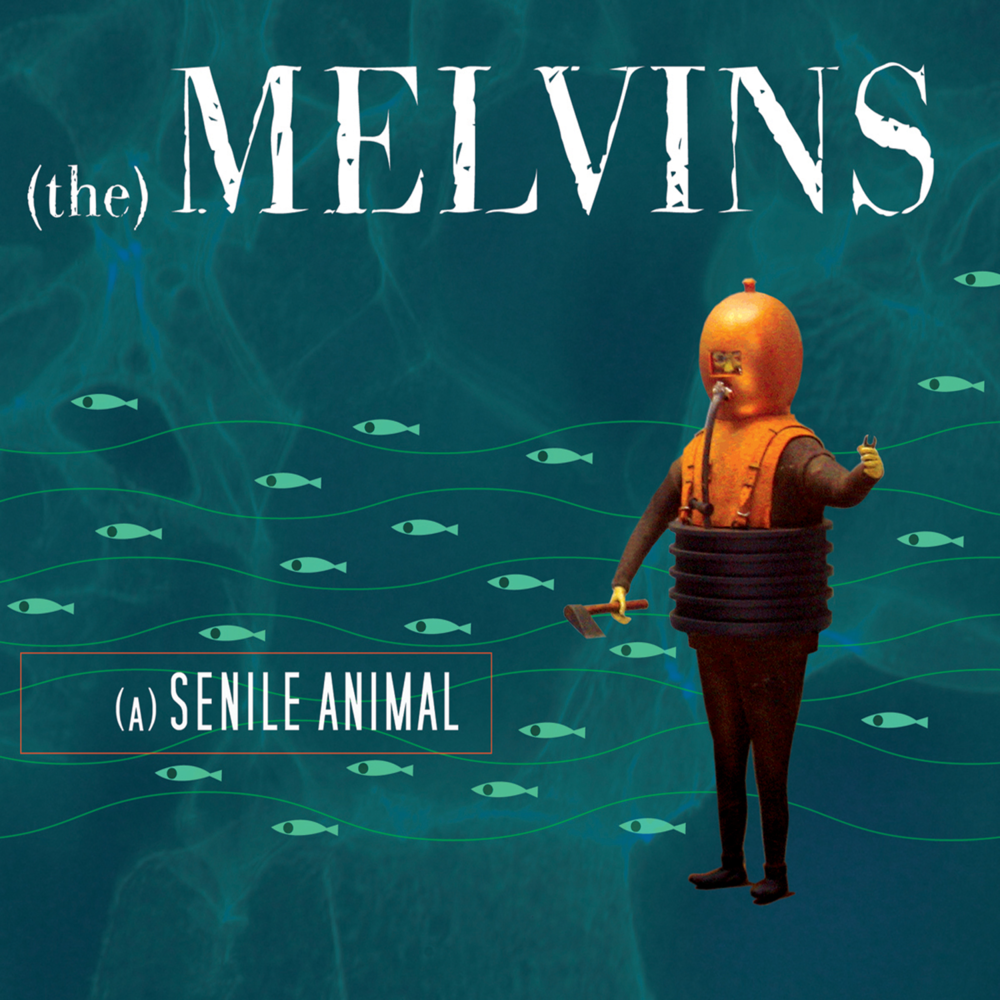
 View Artist