Song Meaning
The lyrics present "Truth" as a multifaceted, almost ethereal woman, shifting in appearance and implication across three distinct verses. Initially, she's depicted with "flaxen hair," a figure so pure and unattainable that even "ravens" lament their inability to "caress her flower" or "drink her beauty springs." This imagery establishes an almost divine, untouchable quality to truth, something beyond the grasp of the natural world, leaving even its observers in "despair."
This contrasts sharply with the second verse, where Truth has "eyes of black" and is viewed "through her tears." Here, truth is not just distant but also sorrowful, and her pain obscures her own vision, preventing her from seeing "no fears." The narrator, however, finds hope in this "trial," wishing to "abide" and become her "lover." This suggests a more intimate, albeit painful, relationship with truth, one that requires enduring hardship to approach.
The final verse introduces Truth "adorned in white," likened to a "mystic bride" who is "a child in waiting." This image evokes a sense of potential and purity, yet she stands "without a husband." Despite this solitude, she "cannot withhold her love," and the lyrics explicitly state, "It's you and me she's thinking of." This transforms Truth from an abstract concept or a sorrowful figure into a shared, intimate presence, implying that truth, in its ultimate form, is a connection experienced between individuals.
The recurring image of drifting or hovering "'round the maypole" acts as a subtle anchor, connecting these disparate visions of Truth. A maypole dance traditionally signifies community, celebration, and the turning of seasons, suggesting that while Truth may appear distant, sorrowful, or pure, the human experience of seeking and sharing her is a continuous, communal ritual. The lyrics effectively use shifting imagery and emotional tones to portray truth not as a static fact, but as a dynamic, deeply personal, and ultimately relational experience.
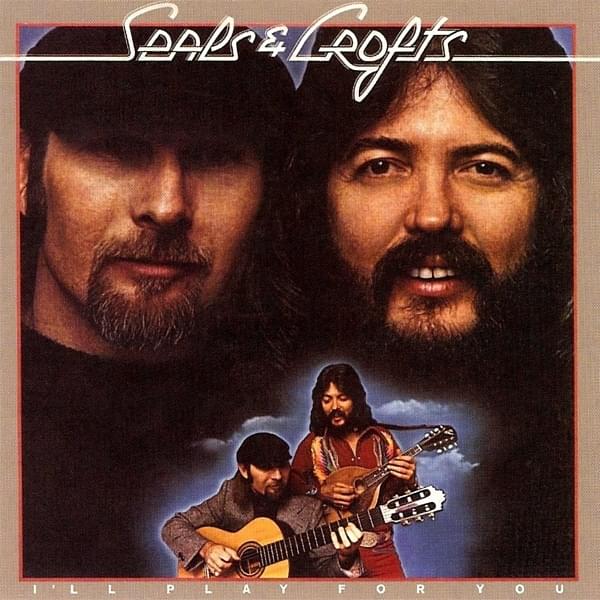
 View Artist