Song Meaning
The lyrics paint a picture of profound, almost mystical understanding between two people. The narrator grapples with a significant choice, weighing the potential outcomes of resistance versus surrender. This internal debate is framed by the immediate, transformative effect of the other person's presence, suggesting a connection that bypasses typical communication and logic. The repeated question, "Would it be A lesson or a loss?" and "Would it lead to Living with regret?" highlights the high stakes of this decision, amplified by the sudden clarity that washes over the narrator.
The core tension lies in the narrator's internal conflict and the external force of this profound connection. The phrase "Suddenly I know what it's about" and "Suddenly I'm not killing time" marks a pivotal shift, indicating that the other person's understanding cuts through confusion and inertia. This understanding is so potent that it seems to resolve the narrator's dilemma, even as the line "But it's all over now" suggests a sense of finality or perhaps the end of the struggle itself, rather than the end of the relationship.
The most striking aspect of the writing is the series of evocative, yet elusive, comparisons used to describe this understanding. The narrator is "get[ting] me / Like a beautiful song / You've heard a million times" and "Like that rainbow's end / You can never find." These images capture a sense of deep familiarity and elusive perfection, suggesting that the connection is both deeply resonant and inherently ungraspable, a paradox that makes the feeling all the more powerful. The comparison to a "red sunset / Where the sky meets the sea" further emphasizes a natural, awe-inspiring convergence.
This lyrical approach is effective because it bypasses direct explanation and instead relies on resonant imagery to convey the depth of the connection. The narrator's feeling is "Hard to ignore / Undeniable too," and the lyrics mirror this by presenting the feeling as an undeniable, almost elemental force. The repetition of "You get me, you get me" acts as an incantation, reinforcing the central theme and leaving the listener with the potent, almost overwhelming sense of being truly seen and understood.
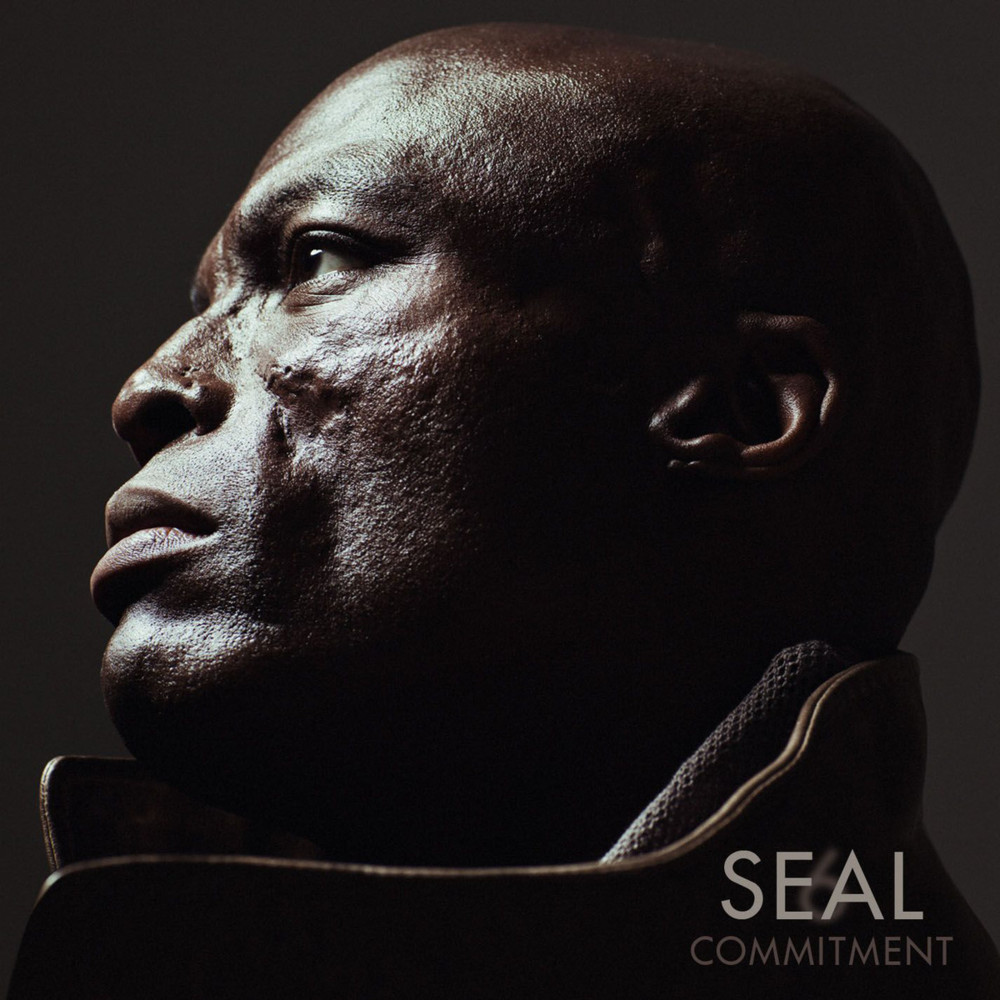
 View Artist