Song Meaning
The lyrics paint a picture of someone dancing freely, uninhibited, yet met with isolation. When the narrator dances or sings as they please, the response is avoidance and ridicule. The core tension lies between the internal urge to move and express, and the external reaction of being ostracized. It's a stark contrast between the joy of personal rhythm and the pain of social exclusion.
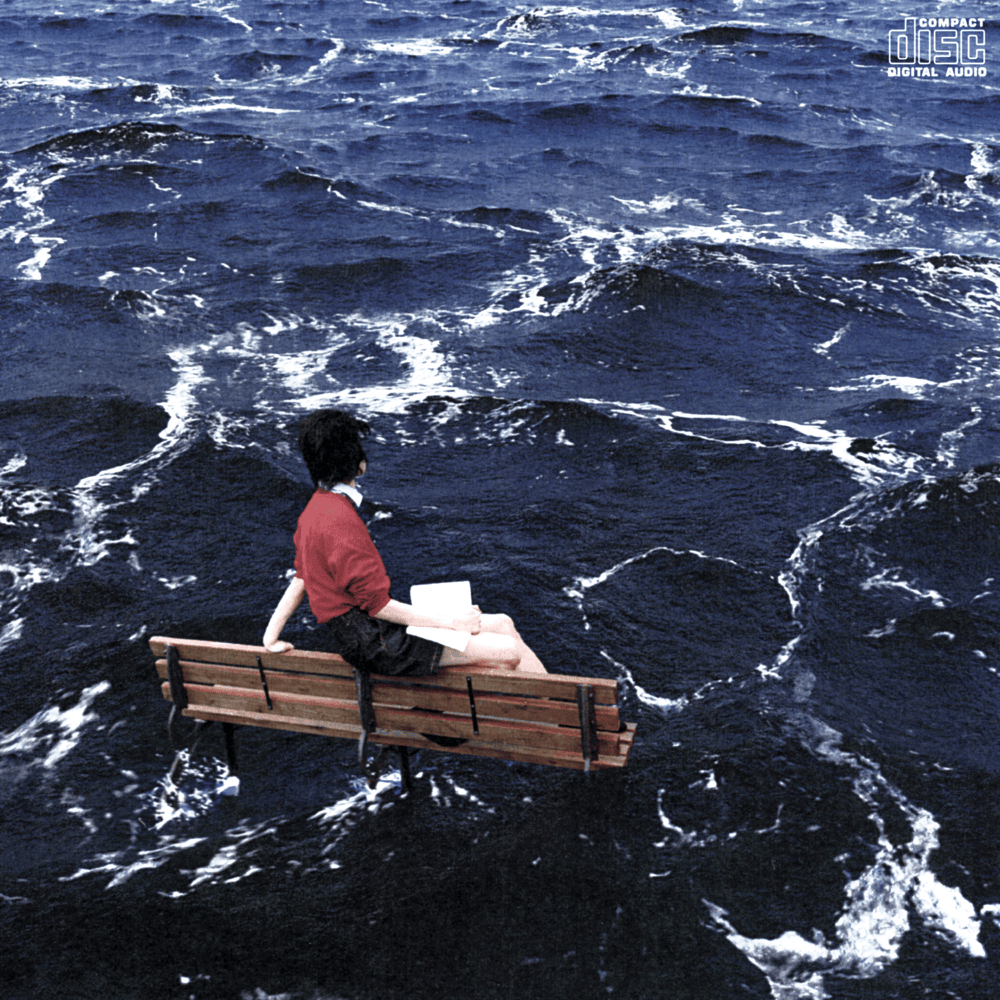
The repeated phrase "아무도 누구도 나와 함께 웃지 않아요" (No one, no one laughs with me) hammers home the profound loneliness. This isn't just about not being understood; it's about being actively excluded from shared joy. The act of dancing, meant to be communal or at least personally fulfilling, becomes a solitary act under the "도시의 밤 아래서" (under the city's night), highlighting a disconnect from the surrounding world.
What's particularly striking is the subtle shift in the reaction described. In Verse 1, people "모두 날 피하고" (everyone avoids me) when the narrator's "엉덩이 흔드네" (shakes their hips). By Verse 2, this escalates to "모두 날 비웃고" (everyone laughs at me) when the narrator is "덩실덩실 걸어 다닐 때" (walking with a bouncy gait). This progression from avoidance to mockery amplifies the narrator's alienation, making the free-spirited dancing a source of public shame rather than celebration.
Ultimately, the effectiveness of these lyrics stems from their raw portrayal of a specific kind of social pain. The simple, direct language and the relentless repetition of the chorus create an almost hypnotic, melancholic atmosphere. The narrator's persistent dancing, despite the negative reactions, suggests a resilient spirit, but the overwhelming sense is one of profound solitude in the midst of urban life.
 View Artist