Song Meaning
The lyrics paint a stark picture of a relationship where perceived comfort can turn into a kind of emotional winter. The narrator warns against losing control, suggesting that even the most desirable situations can become isolating when things go wrong. There's a clear sense of danger lurking, especially in the "gypsy nights," hinting at unpredictable and potentially harmful encounters. The repeated plea to keep hands off "him" suggests a protective instinct, a desire to shield someone from a damaging influence.
The central tension revolves around the destructive nature of a specific relationship. The narrator asserts that "He can't hurt you more / Baby, baby, as he did before," implying a history of pain inflicted by this individual. This figure is described as "running wild" behind a "painted smile," a classic image of deception where outward pleasantness masks inner turmoil or malice. The urgency to protect someone from this person underscores the perceived threat.
The most striking element is the repeated assertion that "You make your own / Heaven and hell." This refrain reframes personal responsibility within the context of these damaging relationships. It suggests that the extreme emotional states, the "heaven" and "hell," aren't external forces but rather consequences of one's choices and entanglements. The contrast between "Daytime lovers love for sale" and "Letters full of tears will tell" highlights the superficiality of transactional affection versus the deep sorrow that results from genuine emotional betrayal.
Ultimately, the effectiveness of these lyrics lies in their directness and the stark dichotomy they present. The narrator's urgent warnings, coupled with the idea that individuals construct their own emotional landscapes, create a powerful message about self-preservation and the consequences of entanglement. It's a raw look at how relationships can become both a source of potential joy and profound suffering, all stemming from personal decisions.
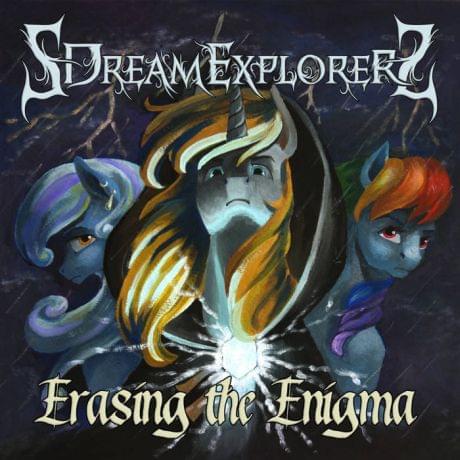
 View Artist