Song Meaning
The narrator is caught in a loop of anticipation, waiting on the "corner of the road to no regret." This isn't a place of peace, but a liminal space where the desire for a future free of remorse clashes with the present moment's inertia. The repeated phrase "I was waiting" underscores a profound sense of stagnation, a refusal to move forward even when the path ahead seems clear, marked by "the light." The irony is thick: the road to no regret is presented as a destination, yet the narrator remains stuck at its entrance.
The core tension lies in the conflict between knowing what's rational and succumbing to a self-destructive pattern. The narrator acknowledges "the voice of reason" and the potential for a better outcome, but actively chooses to linger. This is reinforced by the litany of coping mechanisms: "just another drink, just another cigarette." These actions are presented as ways to avoid upset, a superficial attempt to control feelings rather than address the underlying issue. The lyrics suggest a deep-seated fear of moving forward, perhaps because the act of moving itself might lead to mistakes, and thus, regret.
The most striking craft element is the paradoxical framing of the "road to no regret." It's described as "a long way to come" and "a long way to go," emphasizing its elusiveness. The advice offered – "Put your lips together, you won't get upset" and "Never play your cards and you'll never lose the bet" – points to a strategy of passive avoidance. By not engaging, by not taking risks, the narrator believes they can sidestep regret. This is a clever, albeit flawed, philosophy, highlighting a desire for control through inaction. The alphabet and numbers are just distractions, arbitrary mental exercises to fill the void of waiting.
Ultimately, these lyrics resonate because they capture the paralyzing feeling of being stuck between a desired future and an ingrained present. The narrator's self-awareness is a double-edged sword; they see the path to a better state but are held captive by the very act of waiting for it. The repeated imagery of the corner and the road creates a powerful sense of being on the precipice, forever on the verge of change but never quite making the leap, making the "road to no regret" feel more like a mirage than a tangible destination.
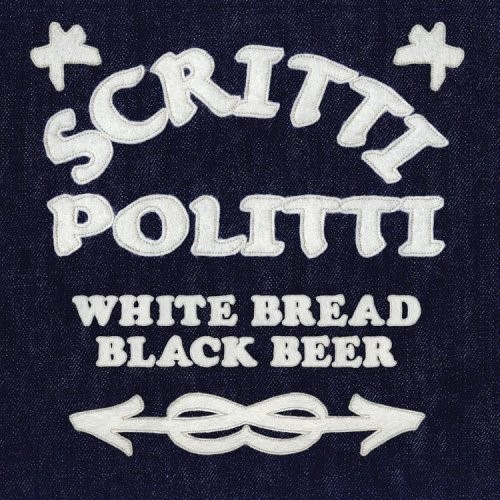
 View Artist