Song Meaning
The lyrics paint a picture of intense, almost hallucinatory intimacy with an unseen presence. The narrator feels a profound connection, describing this entity as "the only key" that's "deep inside of me." This connection is most potent in moments of fear and darkness, where the narrator wakes "in the pale of fright" and seeks solace in the "desperate, creeping night." The repetition of "You tell me all these things" emphasizes the constant stream of communication from this mysterious figure, a communication that happens specifically when "the darkness hides the light."
This dynamic creates a central tension between dependence and unease. The narrator acknowledges a desperate need for this "key" and the things being told, yet the setting is consistently one of fear and hidden truths. The phrase "Seventeen colors on the back of the wall" suggests a disoriented state, a visual distortion that mirrors the internal confusion. The narrator's reaction, running "out the door and into the hall," indicates a desire to escape, even as the presence is described as being there when they "open the door," implying an inescapable nature.
The most striking aspect of the craft is the juxtaposition of deep internal connection with a complete lack of visual identification. The narrator states, "I've never seen your face before," yet this entity is a constant, guiding force. This paradox is amplified by the recurring image of darkness obscuring light, a metaphor for how the narrator's understanding or reality is shaped by this unseen communicator. The final lines, "And I see the things you say I'm not," introduce a layer of doubt, suggesting the narrator is beginning to perceive a discrepancy between what they are told and their own reality.
Ultimately, these lyrics resonate because they tap into the unsettling feeling of being profoundly influenced by something or someone you can't fully grasp. The fear, the dependence, and the dawning realization that the "things" being told might not align with reality create a potent emotional cocktail. The writing effectively uses the imagery of night and hidden light to externalize an internal struggle, making the abstract experience of doubt and influence feel visceral and immediate.
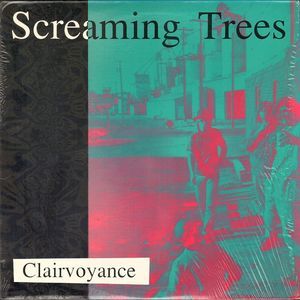
 View Artist