Song Meaning
The lyrics paint a picture of a relationship teetering on the edge, fueled by a cycle of perceived slights and unspoken resentments. The opening lines immediately establish a sense of betrayal and frustration, as the narrator feels wronged with "salt in my drink" and is met with silence. This sets up a dynamic where the narrator feels compelled to be the "angry one," grappling with the precarious balance between love and conflict. The plea for the other person to "need you to stay" underscores a desperate desire for connection despite the evident turmoil.
The central tension lies in the narrator's struggle to communicate and the perceived emotional distance from their partner. The pre-chorus reveals a deep-seated frustration with being the sole bearer of anger, questioning the necessity of their own emotional outbursts. The inability to "speak" while being questioned about their actions highlights a communication breakdown, where accusations seem to fly without clear understanding or resolution. This creates a feeling of being trapped in a loop of misunderstanding.
The chorus introduces a more abstract and almost ritualistic imagery, suggesting a desire to escape the current "ring system" and find a deeper truth "below the crust." The phrase "fool's wisdom" hints at a unconventional or perhaps even self-destructive path to understanding. The narrator's act of "fashioning" the other person and speaking of "mystic death" to bring "songs of cherubim" into their "empty head" is particularly striking. It suggests a profound, almost desperate attempt to impart a profound realization or spiritual awakening onto someone perceived as vacant or unreceptive.
Ultimately, the effectiveness of these lyrics stems from their raw portrayal of relationship strain and the narrator's complex emotional response. The contrast between the mundane act of "salt in my drink" and the grand, almost mystical language of the chorus creates a compelling dissonance. The repeated question "What have I done?" coupled with the desire for the other to stay, even when they are a "big bank and I.O.U," reveals a deep-seated vulnerability beneath the anger, making the narrator's plight feel both specific and intensely felt.
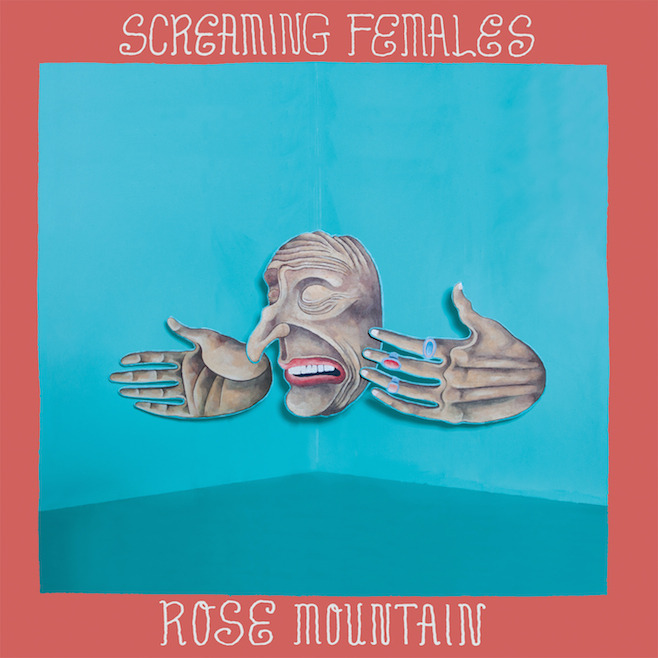
 View Artist