Song Meaning
Scott Walker's "On Your Own Again" isn't a breakup song; it's a post-mortem. A quiet, devastating autopsy of a relationship, dissected with the cold precision only Walker could deliver. The track circles around absence, not the heat of a fresh wound, but the dull ache of scar tissue. The opening lines, "Wasn't it a good year? / Wasn't filled with talking," hint at a past golden age, perceived through the distorting lens of memory. It wasn't necessarily perfect, perhaps defined by what *wasn't* said, but it holds a lingering power, moving through the singer's heart "from time to time." The lyrical analysis suggests a bittersweet nostalgia, tinged with the awareness that even the best times are ultimately fleeting.
The second verse paints a bleak landscape: "City after city / Granite gray as morning." This isn't a romantic cityscape; it's a visual metaphor for the emotional terrain of the song. Walker juxtaposes this urban dreariness with the image of fallen "heroes died in subways," suggesting a loss of idealism and a decay of values. This imagery mirrors the relationship's fate, "left behind / Far behind like our love." The song meaning here extends beyond personal heartbreak; it speaks to a broader sense of disillusionment and the inevitable fading of even the most passionate connections.
The final verse, anchored by the recurring line "You're on your own again / And you're your best again / That's what you tell yourself," is the most psychologically complex. It's not an empowering anthem of self-sufficiency but rather a fragile, almost desperate affirmation. The singer sees through this self-deception, acknowledging the underlying loneliness and the forced optimism. The concluding lines, "I was so happy / I didn't feel like me," deliver the final blow. True happiness, in Walker's world, is a state of alienation, a departure from the self. The song's true meaning lies in this unsettling paradox: the profound disconnect between feeling and being, and the enduring power of memory to both comfort and destroy.
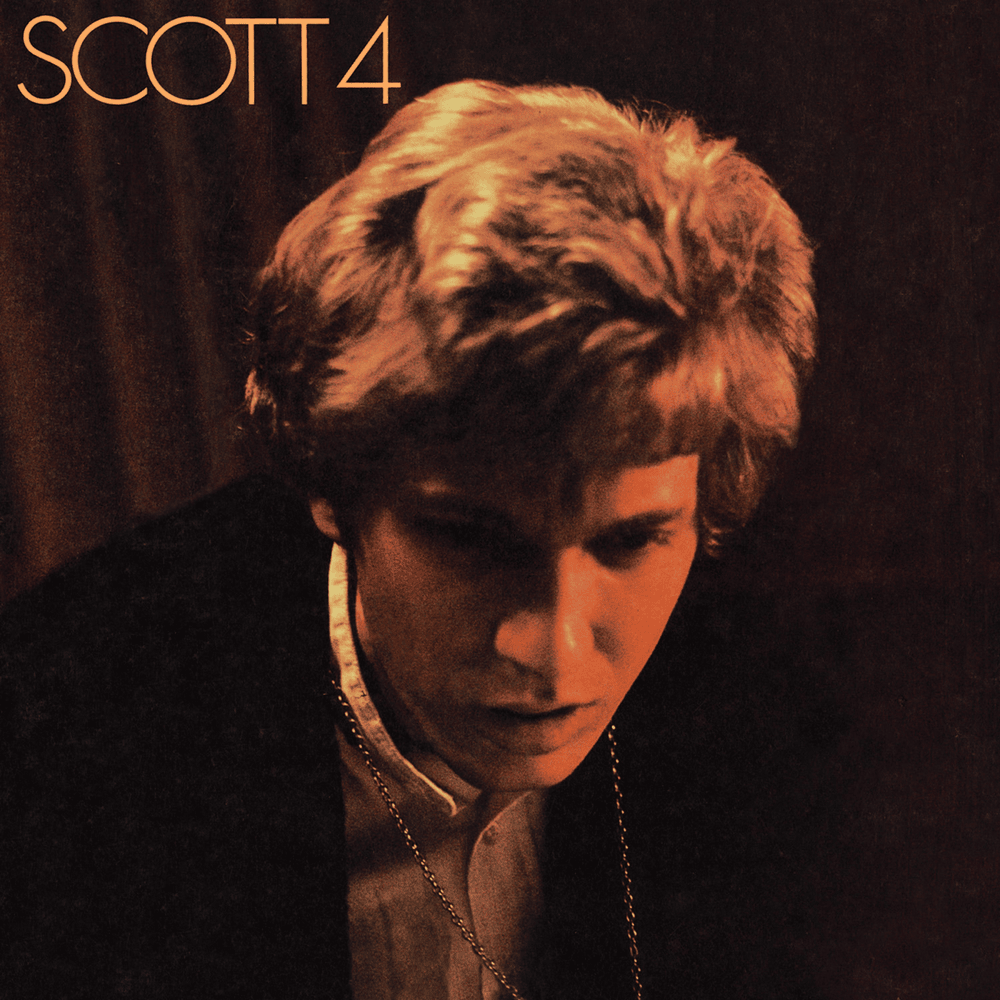
 View Artist