Song Meaning
Scott Walker's "Blanket Roll Blues" is a masterclass in minimalist dread, a sonic etching of isolation as stark and unforgiving as the landscape it evokes. The song offers no narrative, no dramatic arc, only the relentless repetition of a solitary journey. The river crossing, a loaded symbol in itself, becomes less about physical passage and more about a psychic break, a severing of ties. The "heavy blanket roll" isn't just luggage; it's the weight of memory, the burden of existence itself. He's crossed some Rubicon, and there's no going back.
The repeated refrain, "I took nobody with me / Not a soul," is the song's chilling heart. It's not merely stating a fact; it's a haunting admission of profound alienation. The singer isn't just alone; he *chooses* to be. This isn't loneliness thrust upon him; it's a deliberate act of self-exile. The "provisions / Some for comfort, some for cold" are a desperate attempt at self-sufficiency, a pathetic shield against the emotional and environmental harshness he's embraced. What comfort can truly be found in such a state of utter detachment?
The song's true power lies in what it *doesn't* say. Walker leaves us to fill in the blanks, to conjure our own visions of what drove this man to such desolate straits. Was it heartbreak? Betrayal? A fundamental inability to connect? The absence of detail amplifies the song's emotional impact, forcing us to confront our own fears of isolation and the choices we make that lead us down similar paths. "Blanket Roll Blues" isn't just a song; it's a psychological portrait of a man stripped bare, wandering in the wilderness of his own making, forever haunted by the ghosts he left behind. The song meaning, therefore, resides not in the literal, but in the soul's dark night.
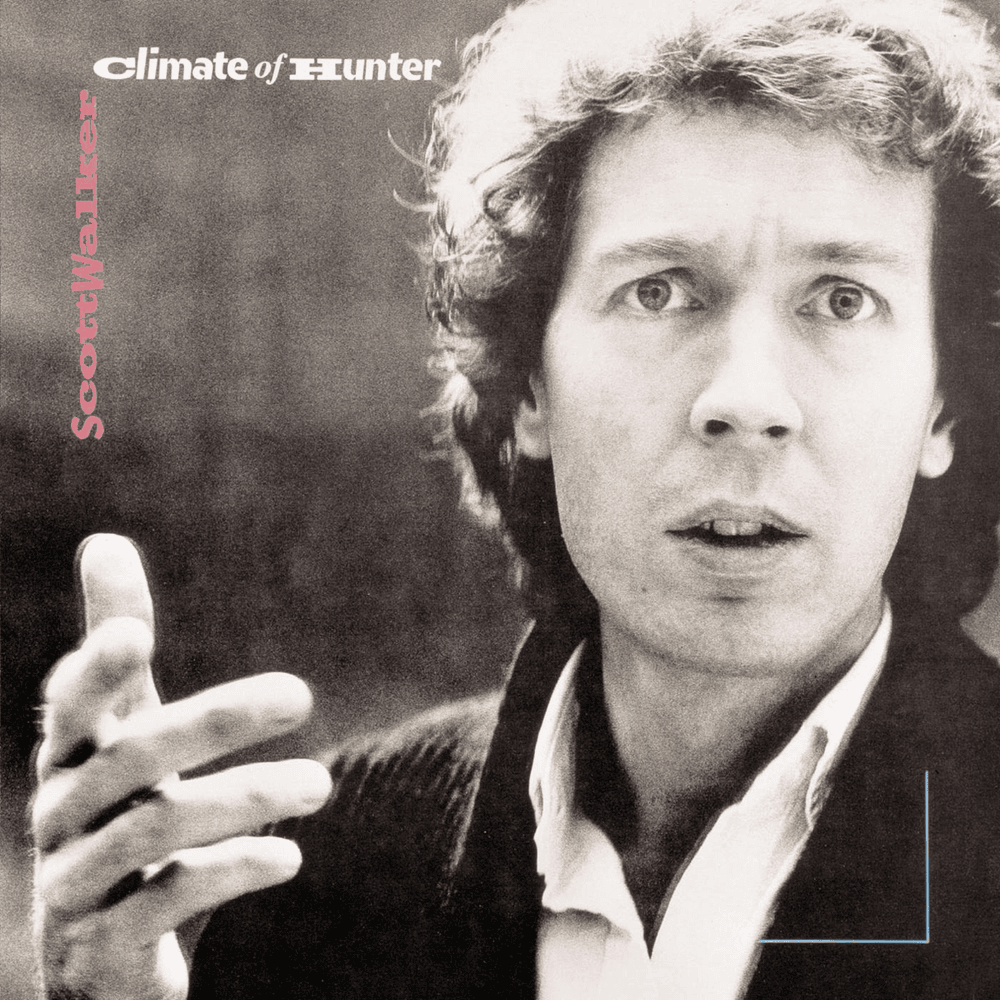
 View Artist