Song Meaning
The narrator is caught in a loop of self-admonishment, repeating "I tell myself I won't waste / My life, my life, my life." This refrain suggests a struggle against inertia or a past tendency to let time slip away. The immediate sensory details that follow, like "The scent of you, your hair, is a taste," anchor the abstract desire to live fully in a very specific, intimate experience. It’s as if the memory or presence of another person is the catalyst for this renewed commitment to presence.
The core tension lies between the narrator's internal resolve and the perceived threat of wasted time. The lyrics pose a direct question, "Is this how it feels to be so alive?" implying a newfound or rediscovered intensity. This heightened state is directly linked to a desire for a specific, idyllic setting – "Feel the meadow grass between our toes" – a place of natural, unhurried connection. The contrast between the urgent refrain and the peaceful imagery highlights the preciousness of the present moment.
The most striking craft element is the repetition of "My life, my life, my life" and "There's no time to waste." This insistent rhythm mirrors the narrator's internal monologue, a constant reminder to seize the day. The abrupt shift from this self-imposed pressure to the vivid, almost tangible memory of a shared sensory experience – the scent, the taste, the feel of grass – creates a powerful emotional arc. It suggests that true aliveness isn't just about avoiding waste, but about deeply engaging with moments and people.
These lyrics resonate because they capture the universal feeling of wanting to live more intentionally, especially when prompted by profound connection. The writing grounds this abstract desire in concrete sensory details and a driving, almost anxious, rhythm. The ultimate effect is a potent reminder that the moments we feel most alive are often tied to specific people and places, urging us to hold onto them.
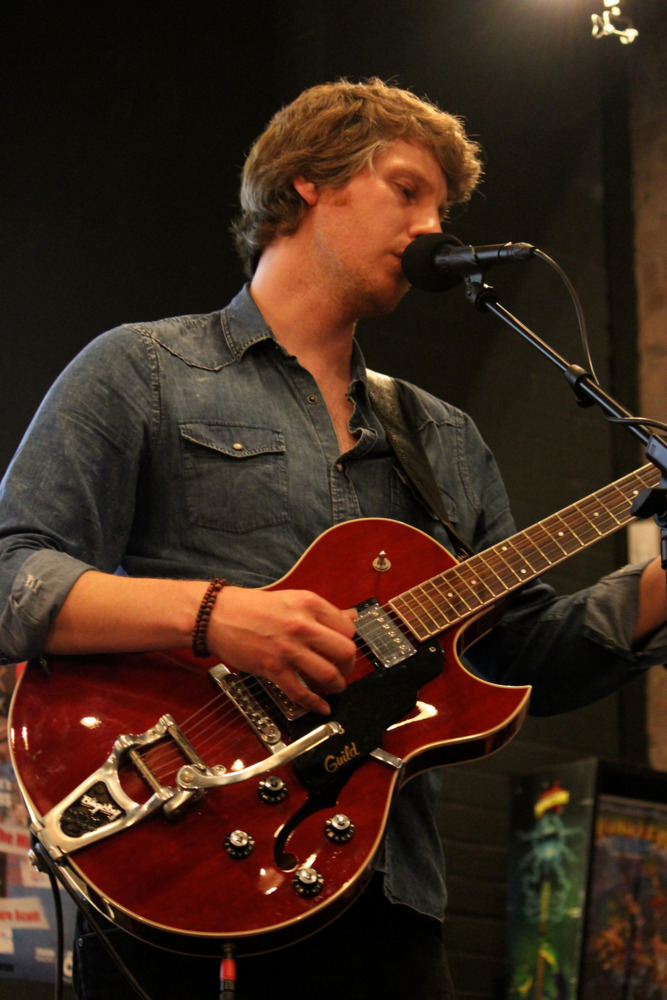
 View Artist