Song Meaning
The lyrics paint a picture of a distant, almost ethereal connection, possibly romantic, that feels both present and elusive. The repetition of phrases like "centi de" and "um paneu" creates a hypnotic, incantatory effect, suggesting a deep-seated longing or a recurring thought. The narrator seems to be grappling with a feeling that is hard to grasp, perhaps a memory or a desire that flickers just out of reach.
The central tension appears to lie in the contrast between a strong emotional pull, hinted at by "L'amour," and the difficulty in fully realizing or holding onto this connection. Phrases like "Nan tu me stanka" and "Nantume sanya" suggest a weariness or a sense of being unable to achieve a desired state, while the repeated "Une voi" and "Une tis tesch tufa" might represent a persistent, almost mournful call or observation.
The most striking element is the abstract, almost dreamlike quality of the language. The use of what seems to be a constructed or non-standard vocabulary, combined with recurring sonic textures, evokes a unique emotional landscape. This linguistic ambiguity forces the listener to focus on the *feeling* conveyed rather than a literal narrative, making the emotional core more potent.
This approach makes the lyrics deeply effective by bypassing direct storytelling. The listener is invited to project their own experiences of longing, memory, or unfulfilled desire onto the abstract sonic and lyrical tapestry. The persistent, almost ritualistic phrasing creates a sense of emotional weight that resonates long after the words themselves might be understood literally.
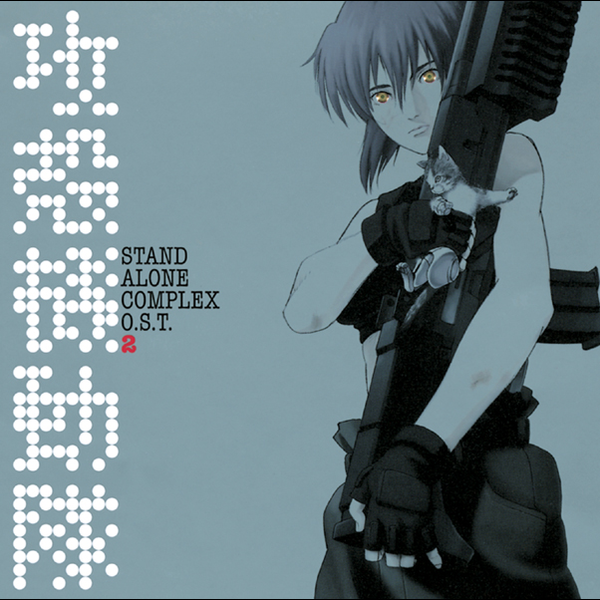
 View Artist