Song Meaning
The narrator is stuck in a perpetual state of emotional and physical hangover, a direct consequence of a lost relationship. The opening lines immediately establish a sense of ongoing struggle, with the "broken part of me" and a "washed up way of livin'" persisting long after the separation. This isn't a narrative of moving on, but of being frozen in time, defined by the absence of the other person. The repeated refrain, "I'm still drunk, I'm still crazy, I'm still blue," acts as a grim mantra, solidifying this arrested development.
The core tension lies in the narrator's inability to escape the emotional fallout of the breakup. Loneliness is palpable, described through the visceral image of "sweat gets so cold alone every night." The mundane reality of sleepless nights and "nothin' on TV" underscores a profound emptiness, a void that the narrator fills with self-destructive coping mechanisms. The phrase "nothin' ain't right" is a simple yet powerful declaration of this pervasive sense of wrongness that permeates their existence.
The lyrics masterfully employ repetition to hammer home the narrator's unchanging state. The triple declaration of "still drunk, still crazy, still blue" is relentless, mirroring the cyclical nature of their despair. Even the "wasted part of me" and "wasted part of you" suggests a shared, albeit destructive, history, with the "half filled up heart" hinting at a mutual incompleteness or perhaps a lingering regret. This shared "rollin' and rollin' all our lives through" implies a long-standing pattern of self-sabotage that the breakup has only exacerbated.
Ultimately, the effectiveness of these lyrics stems from their raw, unvarnished portrayal of sustained emotional pain. There's no pretense of healing or resolution, only the stark reality of being trapped in a cycle of intoxication, erratic behavior, and deep sadness. The simple, declarative statements and the insistent repetition create a powerful sense of resignation, making the narrator's plight feel both intensely personal and achingly universal in its depiction of heartbreak's lingering grip.
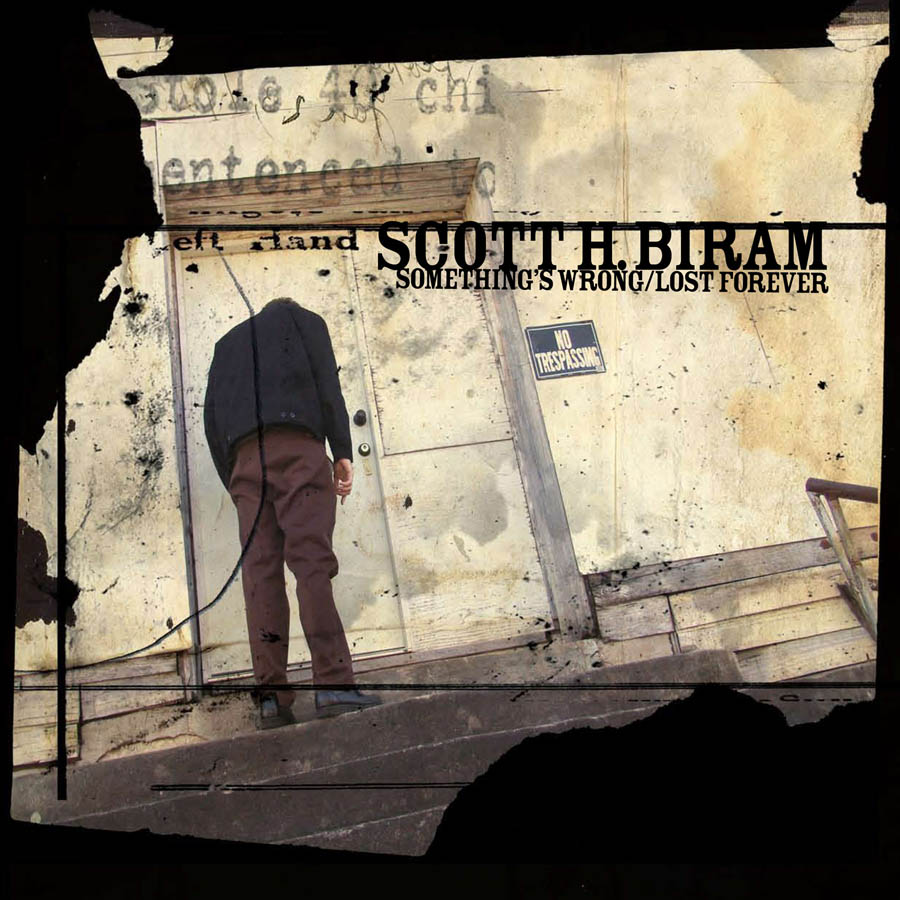
 View Artist