Song Meaning
The lyrics paint a picture of profound disorientation and emotional coldness, a state of being "down" and "out" that feels as bleak as the "polar nights." The narrator describes a world where celestial bodies are inverted – stars fall, moons burn, and moons "eat up the sun" – mirroring an internal landscape turned upside down. This isn't just sadness; it's a cosmic unraveling, a sense that the natural order has collapsed, leaving the narrator adrift in a perpetual, chilling darkness.
This internal chaos is directly linked to the absence of a significant other, explicitly stated as the nights at the pole being "so cold without you." The narrator is actively "chasing the time," suggesting a desperate attempt to escape this oppressive present or perhaps to reclaim lost moments. The repetition of "down, down" and "round, round" emphasizes a cyclical, inescapable feeling of being trapped in this emotional and perceptual void.
The most striking lyrical device is the persistent question, "Is that the wind in your eyes / That is soothing my mind?" This is later refined to "Is that the night in your eyes / That is soothing my mind?" This ambiguity is key. The narrator is seeking solace, but the source of that comfort is unclear. It could be a gentle, fleeting presence (wind) or something deeper and more profound (night), perhaps even the very darkness that has enveloped them. The eyes of the beloved become a focal point, a potential anchor in the storm of their internal world.
Ultimately, the lyrics suggest a powerful connection between external perception and internal state. The narrator's journey "back from polar nights" is propelled by the "pole-star" guiding them "back home to you." The return from this desolate, inverted reality is not just a physical homecoming but an emotional one, finding peace not in the absence of darkness, but in the eyes of the person who can make even the "night" soothing.
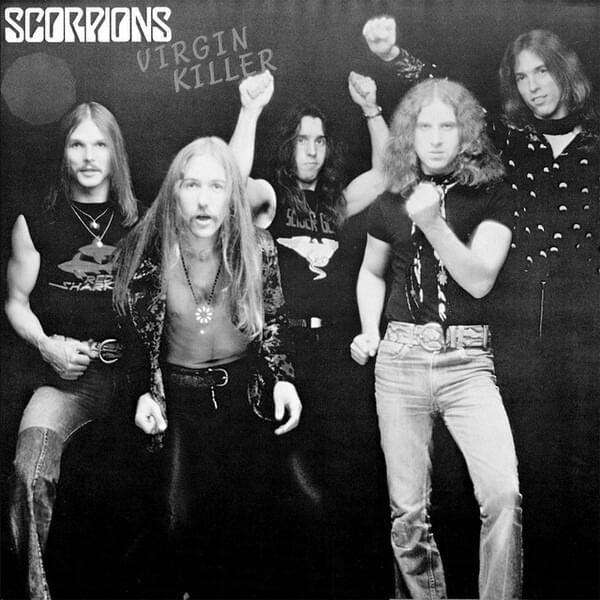
 View Artist