Song Meaning
This track captures a moment of profound realization after a period of self-imposed exile and confusion. The narrator admits to being "kind of blind" and "running away most of my life," suggesting a pattern of avoidance or perhaps a struggle with commitment. The opening verses paint a picture of someone who has been physically absent but emotionally present, recalling "so many good times" while acknowledging a past "untrue" behavior. It’s a confession wrapped in a homecoming, a plea for understanding from someone who finally sees clearly.
The central tension lies in the narrator's desperate need to reconcile past mistakes with a present, unwavering devotion. The repeated assertion, "It's no one else it's only you," hammers home a singular focus that feels like a direct response to past infidelity or neglect. The lyrics frame this intense desire as a form of salvation: "The one who saved me's been always you." This elevates the object of affection from a romantic interest to a life-saving force, implying a deep, almost spiritual connection that transcends mere attraction.
The most striking craft element is the stark contrast between the narrator's chaotic past and the singular clarity of their present desire. Phrases like "dancing on a razorblade" and "love and hate" evoke a tumultuous existence, yet the chorus offers an anchor of absolute certainty. The repetition of "only you" and "with you" isn't just emphasis; it’s a desperate attempt to overwrite past errancy with present truth. The line, "Sometimes life just takes the long way home," serves as a gentle, almost apologetic explanation for the delay in arriving at this clear-eyed devotion.
Ultimately, the effectiveness of these lyrics stems from their raw, confessional tone and the powerful emotional arc they trace. The narrator’s journey from self-deception and a "long time" lost to a profound recognition of a singular, saving love resonates because it’s grounded in specific admissions of fault. The simple, direct language of the chorus, stripped of complex metaphor, makes the plea feel urgent and sincere, suggesting that true understanding and forgiveness are found not in grand gestures, but in the unwavering commitment to one person.
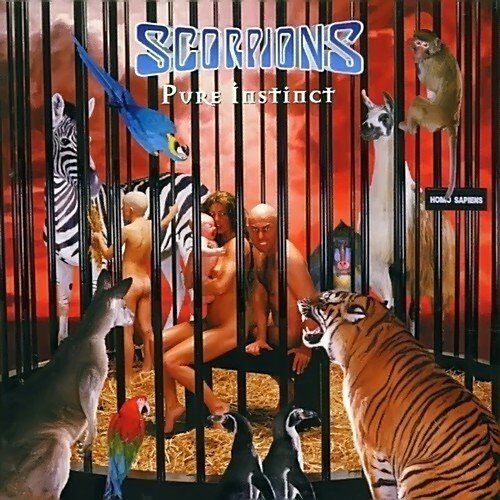
 View Artist