Song Meaning
The lyrics immediately plunge us into the familiar relief of a week's end, a collective sigh encapsulated by the final, emphatic "Thank god it's friday." The opening lines, "Leaving the whole week behind" and "Stop the trouble, open your mind," set a clear directive: shed the past five days and embrace a mental reset. It's a call to liberation, both from external pressures and internal anxieties.
Yet, beneath this desire for release, a deeper, more introspective current runs. The repeated question, "Is this the live you want to live," punctures the surface-level escapism, forcing a moment of self-assessment amidst the rush. This existential query is immediately followed by a striking paradox: "Loosing control, everything is in your hand." It suggests a tension between surrendering to the moment and actively shaping one's reality, hinting at the complex freedom found in letting go while still holding agency.
The most arresting image, and the title's namesake, is "zebras crossing the street." This surreal, unexpected visual breaks the mundane rhythm of "running around, down the street" and "Buying some frozen food." It acts as a sudden, beautiful disruption, a moment of wildness or unexpected perspective that demands attention, urging the listener to "Clear up your mind" and truly see beyond the everyday. This vivid, almost dreamlike detail elevates the lyrics beyond a simple weekend anthem.
The power of these lyrics lies in their cyclical structure and the juxtaposition of the profound with the pedestrian. The near-identical repetition of the main stanza mirrors the weekly grind and the ritualistic pursuit of weekend freedom, making the central questions and images resonate more deeply. By blending the universal desire for escape with moments of sharp introspection and surreal imagery, the lyrics capture the nuanced experience of seeking meaning and release in the modern world, culminating in the cathartic act of simply wanting to "Turn up the music louder."
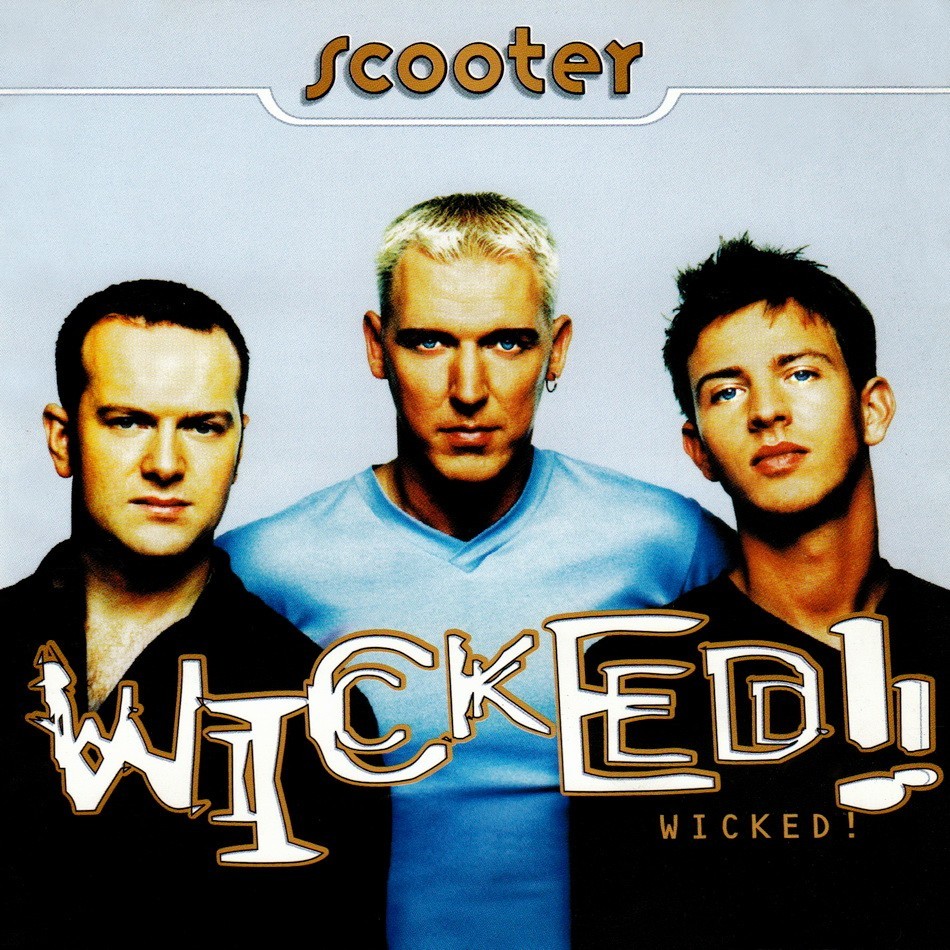
 View Artist