Song Meaning
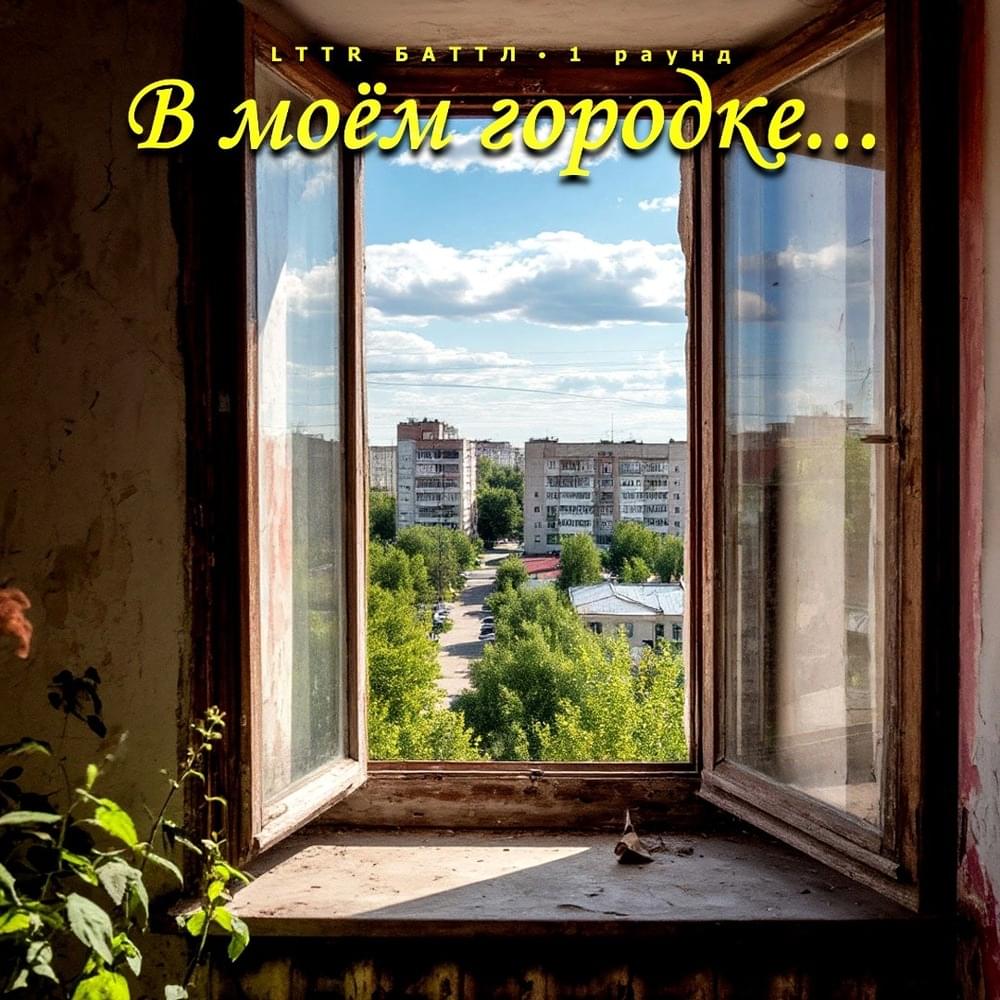
The lyrics paint a picture of a young person feeling like a big shot in their small town, but grappling with the limitations of that environment. The narrator directly addresses someone who seems to be a local 'enlightener,' supported by parents, and perhaps claims to have seen the world beyond their home. However, the lyrics question this perception, suggesting a disconnect between outward bravado and actual experience, possibly hinting at online political rants or a focus on superficial validation through rap battles rather than genuine growth or education. The phrase 'восемь тысяч' (eight thousand) is a cryptic detail that adds to this sense of questioning the value or purpose behind the subject's actions.
The central tension arises from the contrast between the perceived status within the town and the potential reality of stagnation or unfulfilled ambition. The narrator observes the subject receiving parental support like a 'ruler's tribute' while engaging in 'battles' and seeking 'honor among the townspeople.' This creates an internal conflict: the desire for recognition within a limited sphere versus the implied need to break free and achieve something more substantial. The lyrics suggest a superficial pursuit of fame within a confined social circle.
A striking element is the shift in perspective and the internal monologue presented. The narrator quotes the subject boasting about being a 'destroyer' and creating 'hell,' aiming to 'crush the souls of the crushers.' This aggressive self-aggrandizement, juxtaposed with the desire to 'leave the city walls' and 'break the system,' highlights a deep-seated ambition that clashes with the immediate environment. The subsequent line, 'As soon as I left the city, I see evil gates,' introduces a sudden, stark realization of the harshness outside the familiar confines, leading to a plea for parental support, which undercuts the earlier bravado and reveals a vulnerability.
Ultimately, the effectiveness of these lyrics lies in their sharp, almost cynical portrayal of youthful ambition clashing with provincial reality. The narrator uses direct address and quoted speech to expose a gap between self-perception and external validation. The final lines, dismissing the town's offerings as 'senselessness' and comparing it to an ancient, perhaps outdated, entity ('old as Butterfly'), serve as a dismissive critique. The suggestion that 'smoking bamboo is your lot' implies a resigned, perhaps even pathetic, existence for those who remain trapped in this limited worldview, making the critique feel personal and pointed.
 View Artist