Song Meaning
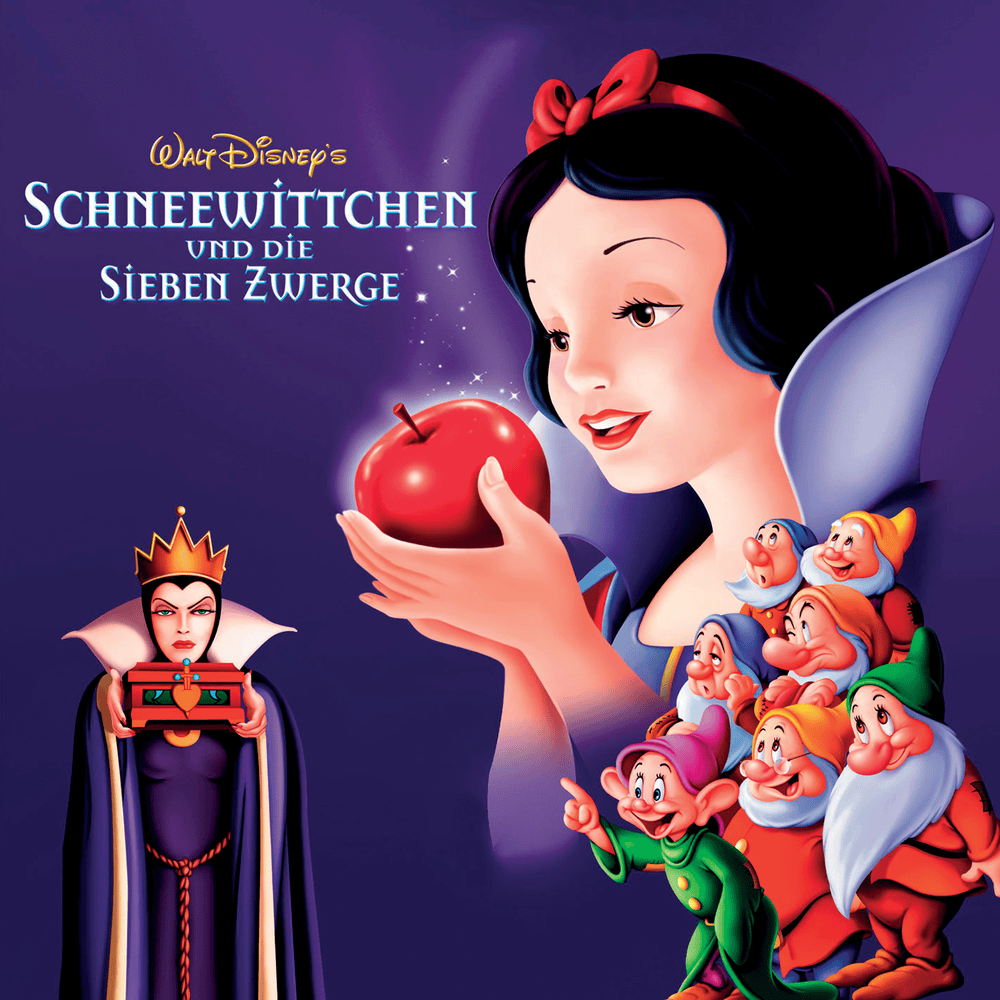
The lyrics paint a picture of someone, identified as Schneewittchen, encouraging a cheerful disposition amidst arduous tasks. The opening lines, "Ja, pfeif nur vor dich hin" (Yes, just whistle for yourself), set a tone of simple, self-contained contentment, even as the surrounding sounds of birds and animals suggest a natural, perhaps even demanding, environment. This initial scene establishes a contrast between external activity and internal attitude.
The central tension arises from the juxtaposition of "allergrößten Arbeit" (greatest work) and the act of whistling or humming. Schneewittchen suggests that engaging in song, "Tu's mit Gesang, dann währt's nicht lang" (Do it with song, then it won't last long), can make difficult tasks feel shorter and more manageable. This implies a coping mechanism, a way to reframe drudgery into something less burdensome through a shift in perspective and a touch of whimsy.
A particularly striking piece of craft is the personification of the broomstick: "Dann denk, der Besenstil / Ist jemand, den du liebst" (Then think, the broomstick / Is someone you love). This imaginative leap transforms a mundane tool into an object of affection, directly linking the act of domestic labor with emotional investment. It’s a clever way to imbue a tedious chore with a sense of purpose and tenderness, suggesting that even the most ordinary actions can be elevated by love.
Ultimately, the effectiveness of these lyrics lies in their gentle, almost childlike, wisdom. The repeated encouragement to "pfeif nur vor dich hin" and to be "wohlgemut" (cheerful) offers a simple, yet profound, strategy for navigating life's challenges. By focusing on the internal state and finding joy in the act of creation, even through whistling or imagining love for a broom, the lyrics suggest a path toward making one's burdens lighter and one's spirit brighter.
 View Artist