Song Meaning
The lyrics paint a picture of someone pushing another person away, yet simultaneously craving their presence. There's a palpable tension between the desire for distance and the need for connection. The narrator starts with a plea for the other person to stop looking, breathing, and listening, establishing an immediate sense of overwhelm and a need for space. This is quickly followed by a rejection of physical touch, "Kätesi on hiljaa / Ei älä kuljeta / Sitä enää minulle," suggesting a desire to sever a physical bond.
The core conflict emerges in the repeated refrain: "Ei / Mussa mitään hyvää oo / Vastusta mua / Ja kaikki palaa ennalleen." This is a fascinating paradox. The narrator claims there's nothing good within them, then asks the other person to resist them, believing this resistance will somehow restore things to how they were. It implies a self-destructive belief that pushing the other person away is the only way to achieve a desired equilibrium, even if that equilibrium is painful or empty.
The craft here hinges on this stark contrast and the desperate, almost contradictory commands. The imagery shifts from the immediate physical rejection to a more abstract plea for resistance. The line "Kun olet liikaa aamuyöllä" suggests a specific, perhaps intimate, context where the narrator feels suffocated. Later, the narrator shifts from pushing away to pulling closer: "Vedä mut luoksesi / Siirrä mun hiuksia / Pidä mua." This dramatic reversal, occurring after the repeated plea to be resisted, highlights the internal turmoil and the deep-seated, perhaps unconscious, desire for the very closeness they are actively trying to deny.
This push-and-pull dynamic is what makes the lyrics so potent. The narrator’s self-deprecation, "Mussa mitään hyvää oo," serves as a justification for their actions, but the subsequent plea to be held reveals a vulnerability that contradicts this harsh self-assessment. The song captures that agonizing space where someone knows they are sabotaging a connection but feels compelled to do so, believing it's the only path to a semblance of normalcy, even as they yearn for the opposite.
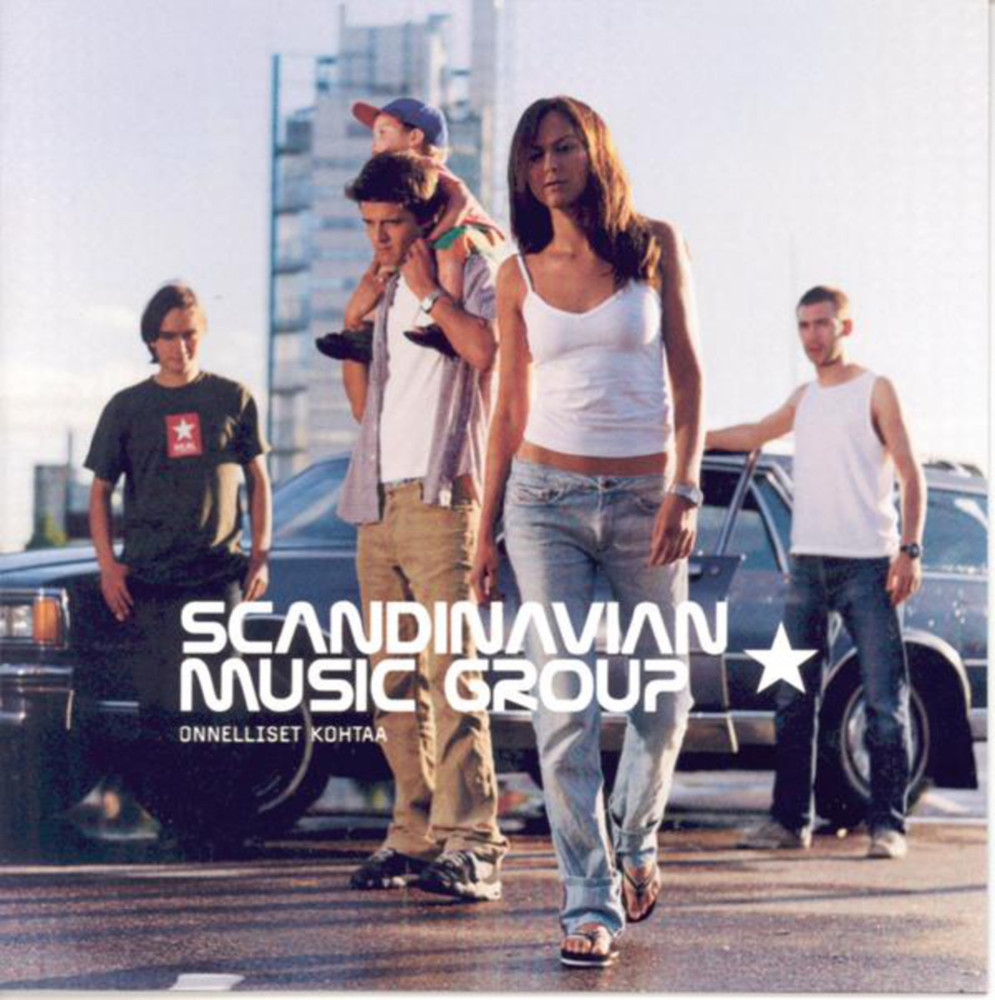
 View Artist