Song Meaning
The lyrics paint a picture of waking up to a monotonous reality, a feeling amplified by the clock's "short hand" pointing to "7" and a "gloomy morning." The narrator rejects the idea of being a "heartless robot," instead embracing the messy process of growth through "crying and laughing." This sets up a core tension between the desire for freedom and the pain inherent in living and striving.
The central conflict emerges in the repeated calls to "break free again" and "try again," even as the lyrics admit "living with a wounded heart." There's a palpable push-and-pull between wanting to escape the "messy city buildings" and the immediate, almost desperate need to "fly away now." This internal struggle is further highlighted by the admission of being "actually scared and want to run away," which is then masked by "acting cool and shouting."
The repeated, urgent commands like "Wake up!" and "Stand up!" serve as rallying cries against inertia. The imagery of a "voice that keeps breaking" amidst "noise" underscores the difficulty of maintaining one's direction. The lyrics suggest that true change, the "future," isn't a passive arrival but an active, ongoing effort to "change it more," even when fear is present. The contrast between the desire to "fly away" and the grounded action of "try again" is where the song's power lies.
Ultimately, the effectiveness of these lyrics stems from their raw portrayal of overcoming internal resistance. The direct, almost shouted affirmations of "Free again!" and "Fly away!" are powerful precisely because they are juxtaposed with the acknowledgment of fear and pain. It’s this honest depiction of struggle, coupled with an unyielding call to action, that makes the vision of a changeable "future" feel earned and resonant.
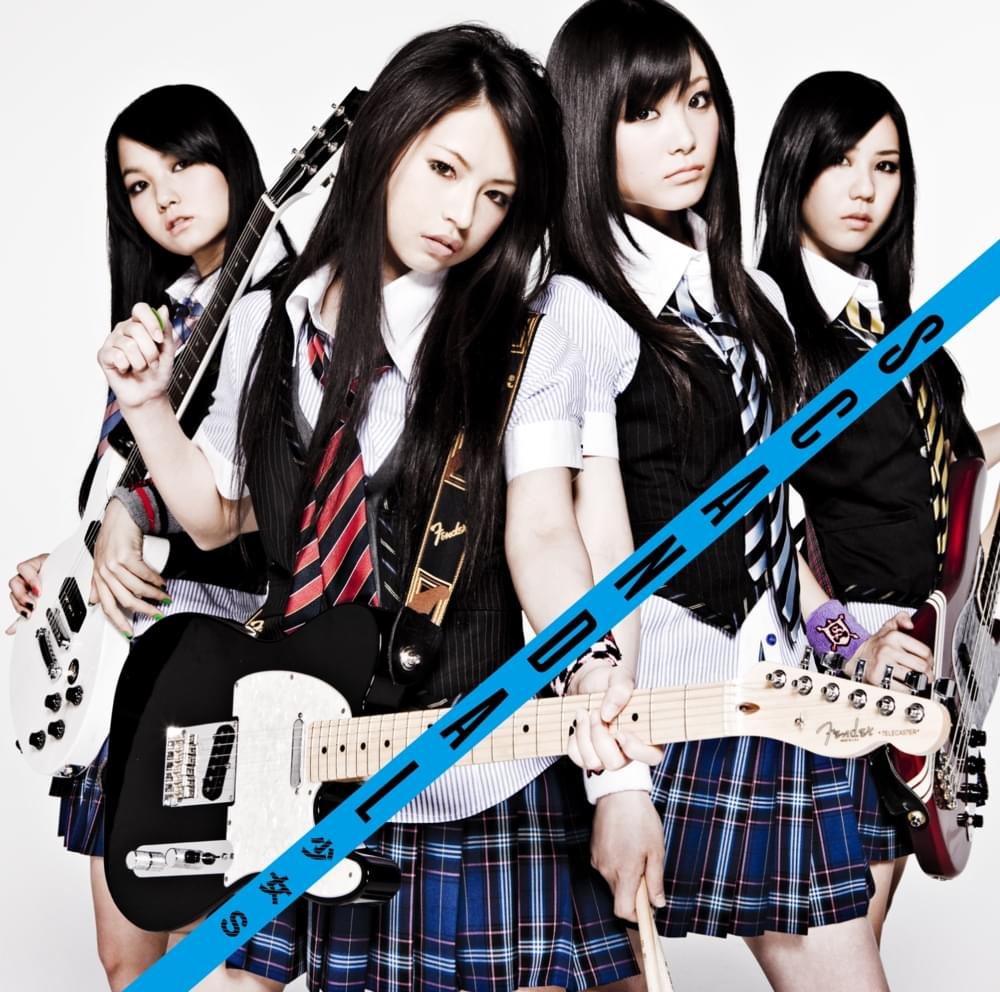
 View Artist