Song Meaning
The lyrics open with a stark, almost ritualistic "Breathe," repeated to establish a sense of urgency and preparation. This is immediately followed by the declaration, "It is time to make the time," suggesting a pivotal moment where action must be taken, not just passively experienced. The narrator then invokes familial figures and potent symbols: "my father singing," "my mother at the river," "the spear and the chain." These images feel like inherited legacies or primal forces shaping the present.
The central tension arises from the command, "It is your time to swallow the hill," a visceral and challenging instruction that implies overcoming immense obstacles or accepting a difficult fate. This is juxtaposed with the recurring "Breathe," which acts as both a grounding mechanism and a desperate plea amidst overwhelming pressure. The phrase "Emoyeni passing, passing behind the dust / Emoyeni passing, passing behind the fear" introduces a sense of release or transcendence, as if moving beyond earthly concerns and anxieties.
The most striking craft element is the repetition of "Breathe" and the insistent "It is time," creating a hypnotic rhythm that mirrors the ticking of a clock or the steady beat of a heart under duress. The juxtaposition of intimate familial references with abstract, almost elemental imagery like "spear and the chain" and the "long green rain" builds a complex emotional landscape. It suggests a confrontation with both personal history and a larger, perhaps environmental or existential, crisis.
This writing is effective because it bypasses direct explanation, instead immersing the listener in a sensory and symbolic experience. The fragmented, declarative statements and the stark repetition create a feeling of being on the precipice, forced to confront an inevitable, yet undefined, challenge. The lyrics don't tell you what to do, but they make you feel the weight of the moment and the primal need to simply keep breathing through it.
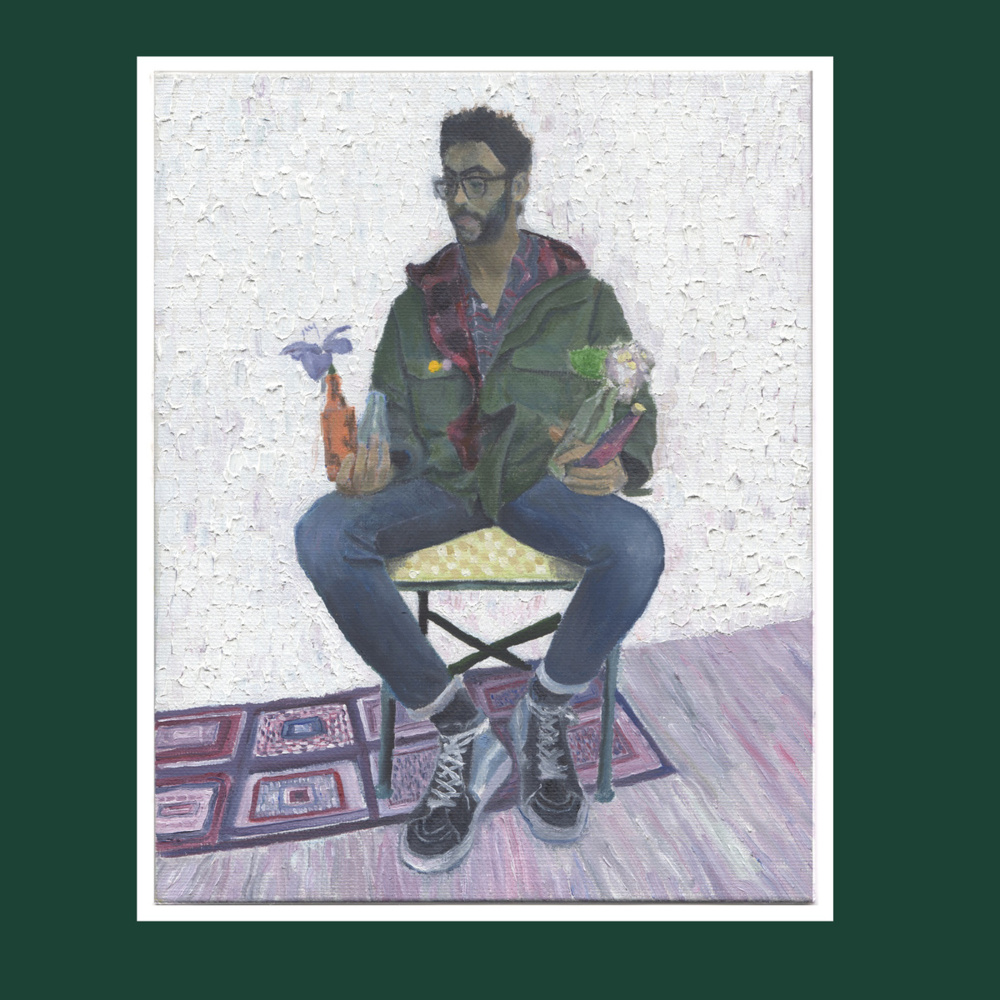
 View Artist