Song Meaning
The lyrics paint a gritty picture of a life driven by hustle, where financial gain comes at a steep personal cost. The opening lines immediately establish a sense of desperation and moral ambiguity: "Can't you tell my pockets smell like copper? / Good don't always mean proper." This suggests a world where wealth is acquired through less-than-ideal means, and the narrator is deeply immersed in this reality. The imagery of "coins rattle like a quiet prayer" juxtaposes the material with the spiritual, hinting at a desperate hope or plea amidst the struggle.
The central conflict seems to be the trade-off between freedom and financial success. The narrator acknowledges the allure of wealth – "A couple mill' will only buy you a bigger cage" – but also the way the "hustle took away all that's free" and "emptied my pouch of all that's me." This implies a profound loss of self and autonomy in the pursuit of money, turning what should be a reward into a form of imprisonment. The desire for "change" over mere "coins" and "range" over "cash" further emphasizes this yearning for something more meaningful than just monetary accumulation.
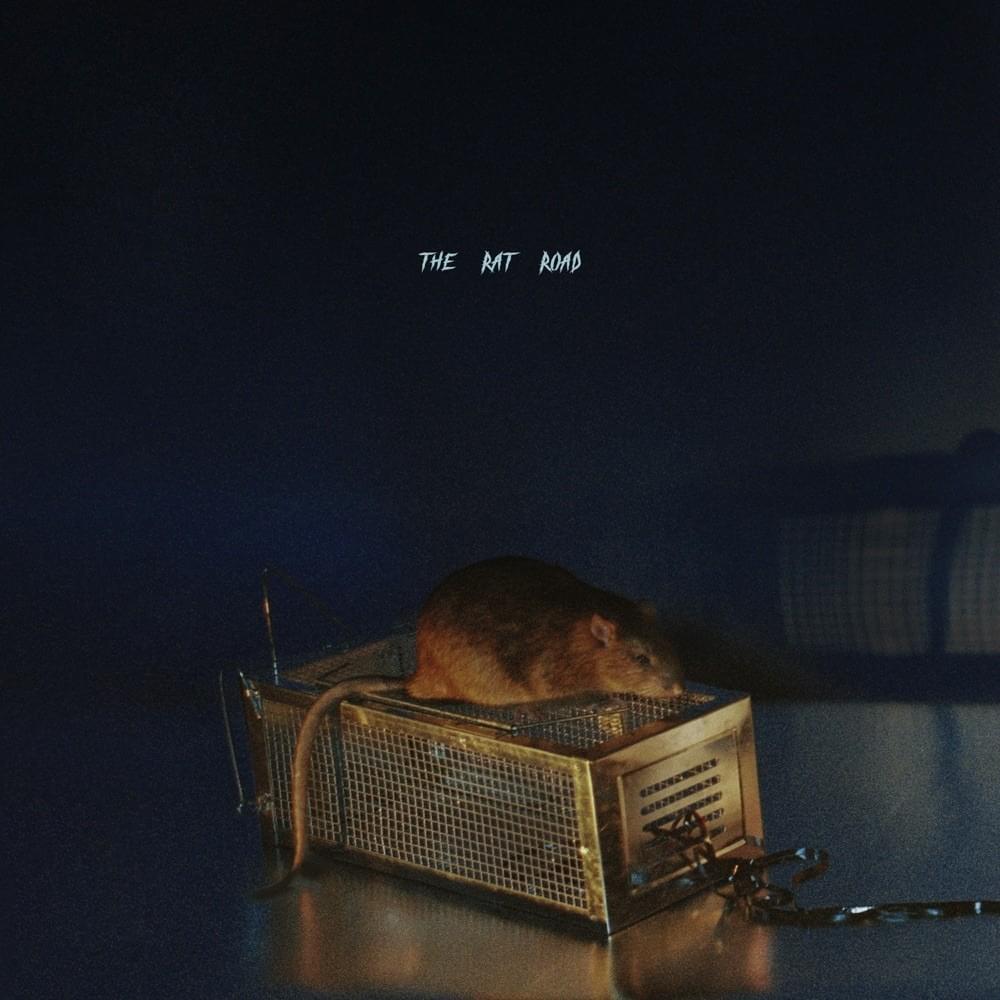
The craft here is in the stark, almost brutal imagery and the cyclical nature of the struggle. Phrases like "Strands of synthetic hair scrawled across the underground" and "scatter with the rats" evoke a sense of decay and forgottenness, a grim environment where survival is paramount. The repeated idea of misdirection – "maps misread," "mislead" – highlights the inherent uncertainty and potential for failure in this lifestyle. The final lines, "Now it's heads or tails / Fly or fail / But we keep our eyes bound tight so we can hardly tell," encapsulate the constant gamble and the willful blindness required to keep going when the stakes are so high and the outcomes so uncertain.
Ultimately, these lyrics resonate because they capture the soul-crushing paradox of chasing success in a system that demands everything in return. The narrator's journey into "the belly of the beast" and the subsequent realization that freedom is lost in exchange for wealth is a powerful, albeit bleak, commentary on the true price of the hustle. The writing forces the listener to confront the idea that sometimes, the pursuit of more leads to having less of what truly matters.