Song Meaning
The lyrics open with a poignant observation: sometimes, not being your true self feels easier. Yet, the speaker quickly pivots, acknowledging the deep ache that comes from constant self-suppression. This sets up a tender, empathetic scene of reassurance.
The central tension lies in the struggle between societal pressures to conform and the individual's desire for authenticity. The recipient of these words is clearly battling internal demons, hearing "天使と悪魔の声両方"—the conflicting voices of self-doubt and potential. The speaker steps into this fray, offering a steadfast presence and a safe harbor.
A particularly striking element is the speaker's inversion of self-perception. They declare that "君が君の嫌いなとこ" (the parts you dislike) are precisely the parts they cherish. This isn't just acceptance; it's a radical re-framing, suggesting that perceived flaws are, in fact, cherished qualities. The driving metaphor further illustrates this dynamic, with the speaker offering to "ブレーキ踏んであげる" (step on the brake) if the journey gets too risky, while still encouraging forward momentum.
What makes these lyrics resonate is their unwavering promise of unconditional support. The speaker doesn't demand change, repeatedly affirming that the listener doesn't have to change, simply to "君は君でいて" (be yourself). Instead, they offer a protective shield, vowing to protect the very essence of who the listener is, and reminding them that they are not alone. It's a powerful message that true strength comes from being seen and accepted, flaws and all.
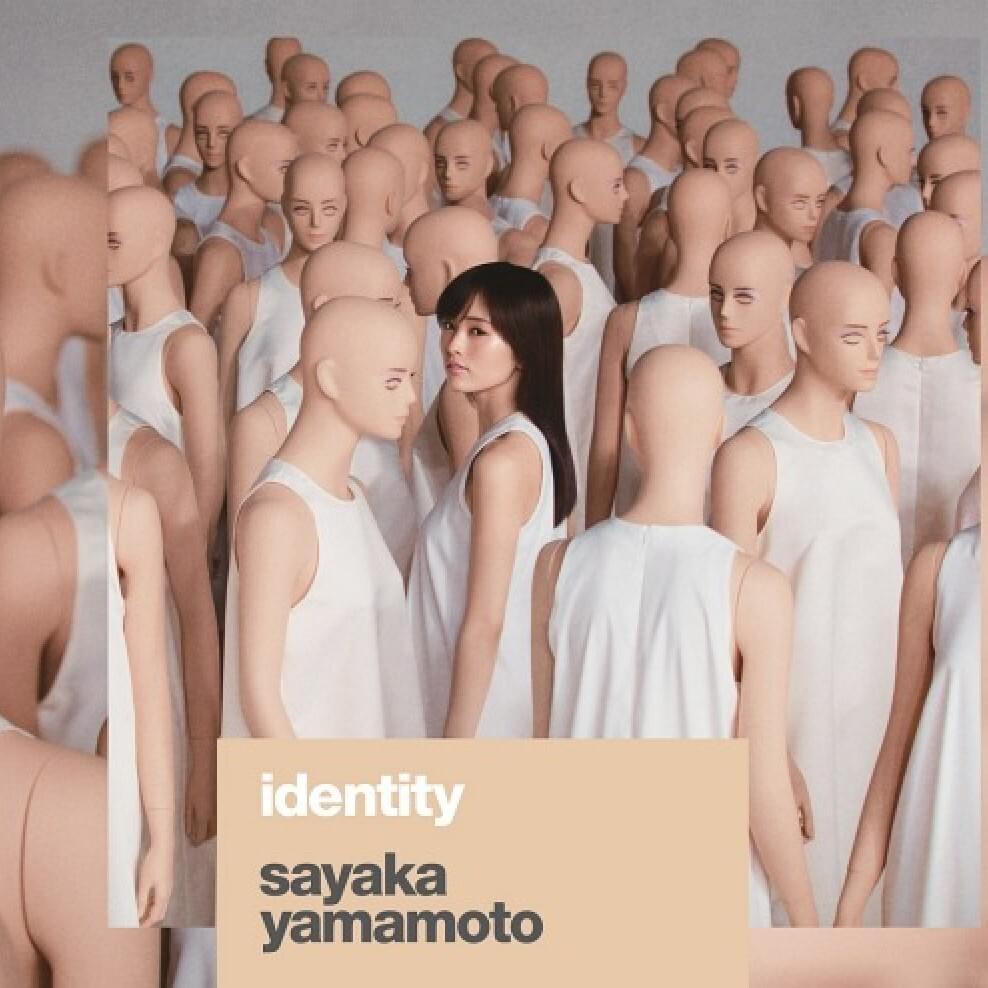
 View Artist