Song Meaning
The lyrics paint a picture of a musician grappling with past glory and present disillusionment, seeking validation in a fleeting moment of perceived coolness. The narrator anticipates reuniting with old bandmates, a group once celebrated but now returning from a "fake hiatus," hoping to recapture that old magic. There's a palpable sense of trying too hard, a desperate need for the "girls clinging to the bar" to recognize them, highlighting an insecurity masked by bravado. The mention of a failed "side project with a boutique label" underscores a feeling of being creatively stifled and unable to escape a perceived pigeonhole.
The core tension lies in the narrator's struggle between genuine artistic fulfillment and the intoxicating, albeit artificial, high of performance and attention. The line "'Cause I'm actually high" starkly contrasts with the aspirational "feel as high as I feel tonight," revealing a reliance on external substances to achieve a desired emotional state. This artificial elevation is then linked to the chorus's theme of "moonshine" and a "pure" moment, suggesting that the fleeting rush of being perceived as a "punk" is mistaken for authentic artistic passion. The narrator admits to being "barely halfway there" but is "too far gone in love with love to care," indicating a self-aware but ultimately resigned embrace of this superficial pursuit.
A particularly striking element is the narrator's self-identification with a romanticized, perhaps unattainable, ideal of being a "punk." This isn't about rebellion or genuine counter-culture, but rather the *idea* of it, the aesthetic and the perceived coolness. The lyrics suggest this is a performance, a way to connect with a shared experience, "And that's what we share." The second verse shifts to a more intimate, yet still detached, scene of kissing a boy and taking Emma, who is "nodding off or napping," to bed, only to leave her in the morning. This casual disregard for others mirrors the narrator's own superficial engagement with their art and relationships, all in service of chasing that elusive feeling of belonging and validation.
Ultimately, the effectiveness of these lyrics stems from their raw, unvarnished portrayal of insecurity and the desperate chase for external approval. The contrast between the grand ambition of a "greatest band" and the pathetic reality of a "fake hiatus" is jarring. The narrator's admission of being "pigeonholed" and relying on being "actually high" to feel something real creates a potent sense of pathos. The song captures that specific, uncomfortable feeling of trying to be someone you're not, mistaking the applause for genuine artistic connection, and finding solace in a shared, albeit hollow, moment of perceived rebellion.
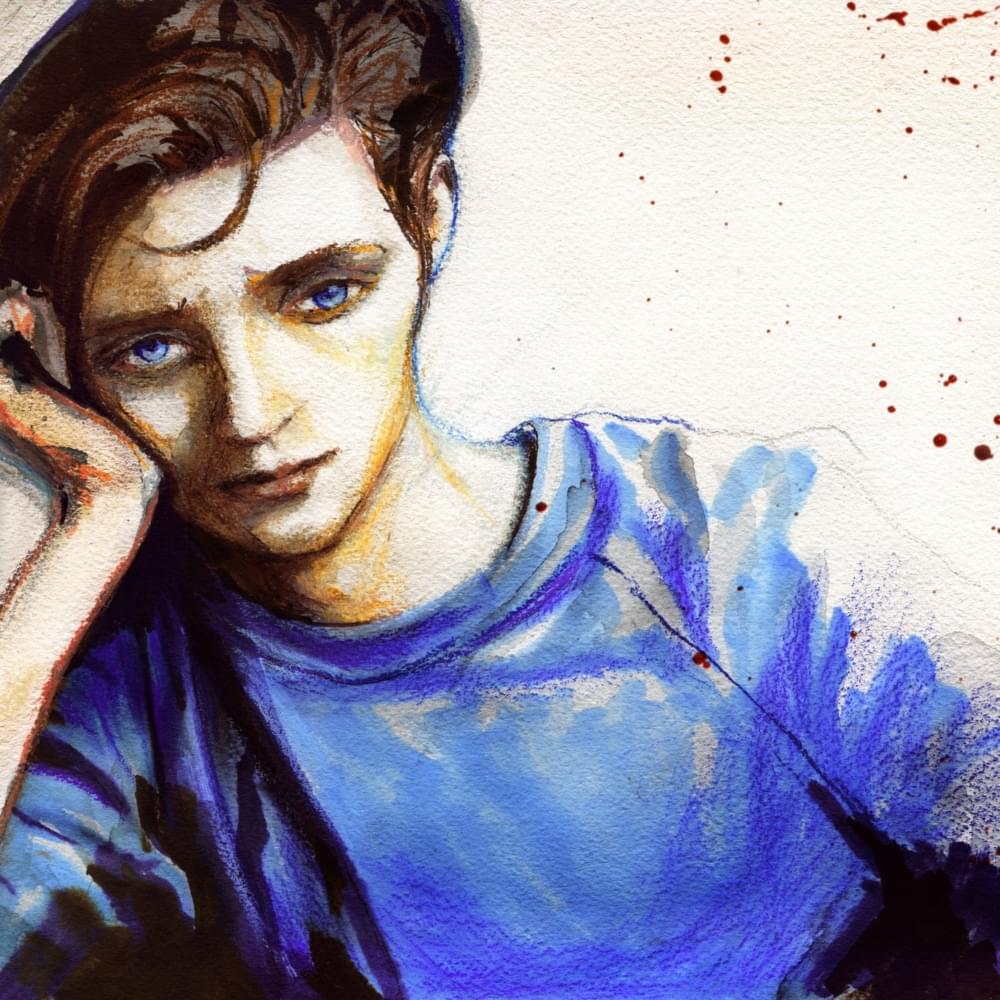
 View Artist