Song Meaning
The narrator arrives before dawn, a silent observer in a moment of profound finality. There’s a desperate urgency in the pronouncement, "Tomorrow never come home gotta let go all that you know." It’s a stark, almost brutal imperative, suggesting a point of no return where clinging to the familiar guarantees destruction. This isn't a gentle parting; it's an expulsion from a known world into an unknown, potentially fatal, future.
This leads to a chilling internal conflict. The narrator claims to offer a final, loving gesture – "one last kiss" – before an impending shared demise. Yet, this act of supposed connection is immediately undercut by a profound self-recognition. The reflection in the mirror reveals not a separate entity to be kissed, but the narrator’s own self, marked by "hollow eyes" and "blood I cry." This isn't a shared fate with another, but a confrontation with the self as the source of destruction.
The lyrics masterfully employ the image of the mirror to expose a terrifying truth: the perceived external threat or situation is, in fact, an internal one. The "hell" isn't a place, but a state of being "Inside my heart that's swallowed by fear." The act of tying someone to a post, initially presented as a forceful action, becomes a metaphor for self-imprisonment. The narrator’s struggle is not against an external force, but against their own internalized despair and fear, leading to a desire for obliteration.
This internal unraveling is what makes the song so potent. The initial scene of waiting and warning gives way to a devastating realization of self-betrayal and internal ruin. The final plea, "To pray I disappear," isn't about escaping a shared doom, but about escaping the self that has become the architect of its own hell. The raw, confessional tone, amplified by the stark imagery, creates a visceral sense of psychological collapse.
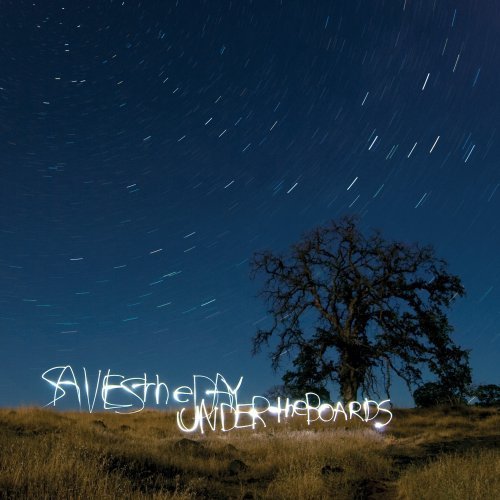
 View Artist