Song Meaning
The narrator lays down a stark boundary, insisting they never dictated the other person's choices or demanded their permanent presence. This isn't about control, but about a refusal to bear responsibility for another's life path. The core of the message is a clear divestment of blame for outcomes the other person experiences.
The central tension arises from the narrator's assertion of non-involvement versus the other person's apparent expectation of support or blame. The chorus hammers this home: "Don't place the blame on me." The lyrics suggest a history where the other person made decisions with a "lack of vision," leading to a life they now regret, and the narrator is explicitly rejecting being the scapegoat for those choices.
A striking element is the shift in perspective and the accusatory tone that emerges. Initially, the narrator seems detached, stating facts about their non-interference. However, this quickly morphs into direct accusations: "All your talk has become bull," and "You tried to use me and succeeded to confuse me." This reveals an underlying resentment and a feeling of being manipulated, which fuels the narrator's firm stance against taking responsibility.
This lyrical approach is effective because it grounds the emotional distance in specific grievances and a clear delineation of personal agency. The narrator isn't just saying "it's not my fault"; they're articulating *why* they believe it's not their fault, pointing to the other person's own flawed decisions and attempts at manipulation. The final lines, "Memories can serve as ghosts / They'll tease and haunt you," suggest the other person is now trapped by their past, a fate the narrator refuses to share or be held accountable for.
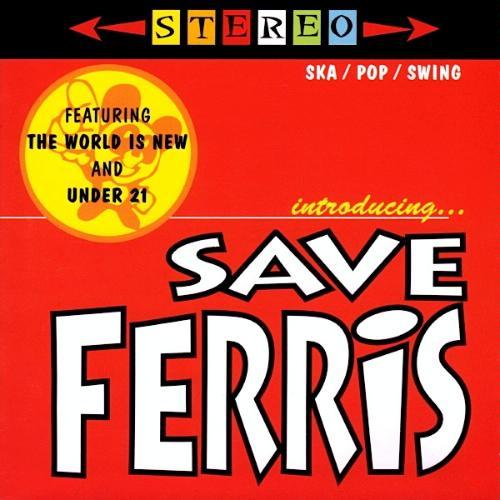
 View Artist