Song Meaning
The lyrics paint a picture of someone who has left home, embarking on a journey filled with unfulfilled dreams and perhaps disillusionment. The narrator addresses this person as "child" and "Oz-refugee," suggesting a sense of naivete and a quest for something grand that has gone awry. Phrases like "never look back" and "never retreat" highlight a determined, perhaps stubborn, independence, but the repeated question, "Have all the dreams been betrayed?" hints at a deeper regret or a harsh reality setting in. The "great white way" and "vassals of courvasier" seem to represent a superficial, perhaps materialistic, world that offers little genuine solace.
The central tension lies between the allure of the unknown and the harshness of the reality found there. This "Oz-refugee" sought something more, but instead found "Hatters and tea," a reference that implies a descent into madness or a nonsensical, unfulfilling existence. The narrator urges them to "Stay," offering a sanctuary where dreams might still be found, or at least where safety exists "when the night fades away." This plea suggests that the outside world, the "great white way," is ultimately a place of danger or disappointment, especially for someone who "never did" change with the times.
The most striking craft element is the recurring plea to "Stay" juxtaposed with the imagery of a failed quest. The "Oz-refugee" motif is particularly effective, transforming a childhood fantasy into a metaphor for a lost, perhaps misguided, adult pursuit. The contrast between the initial "Hey child" and the later "Oz-refugee" shows a progression from perceived innocence to a more complex, perhaps tragic, state. The lyrics suggest that the "games" played and the "dreams" chased have led not to fulfillment, but to a place where one has "overbid" on life's opportunities, ending up among those who merely "overbid."
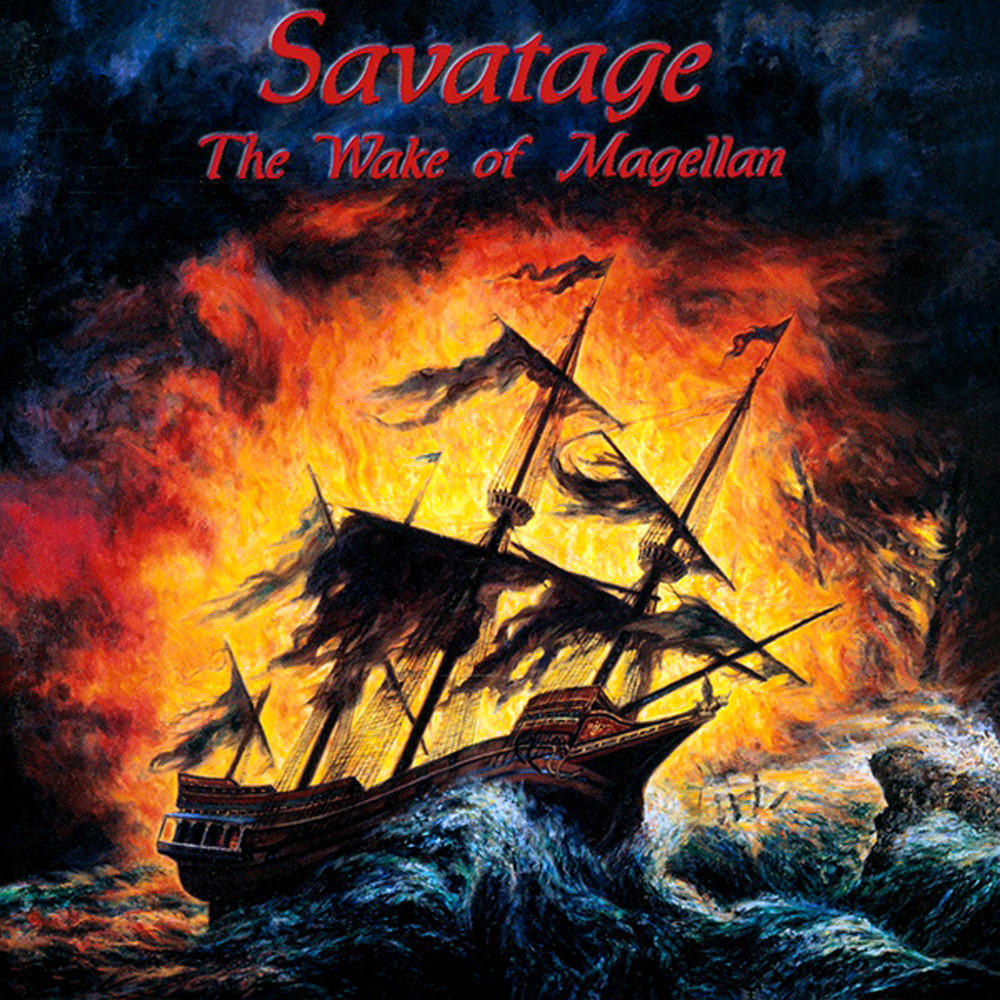
 View Artist