Song Meaning
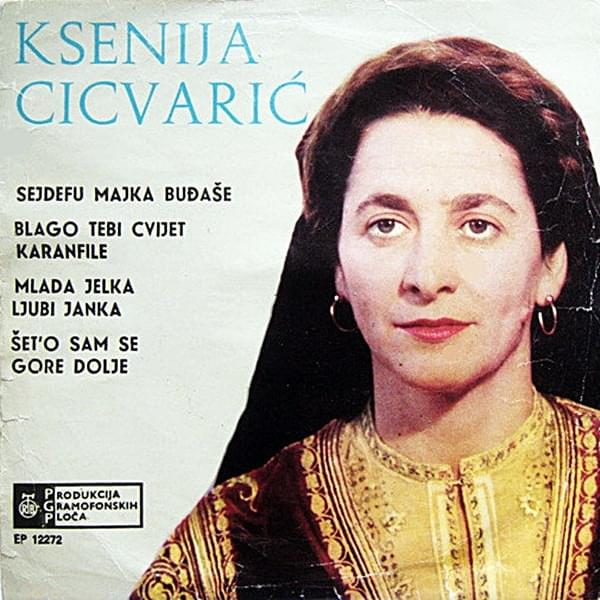
The song opens with a mother trying to wake her daughter, Sejdefa. The repetition of the mother's plea, "Sejdefu majka buđaše," establishes a sense of urgency and perhaps a gentle insistence. It paints a picture of a daughter lost in thought or sleep, while the mother's call to "Ustani, kćeri moja Sejdefo" grounds the scene in a domestic, familial setting.
Sejdefa's response reveals a profound internal conflict. She asks her mother, "Zar misliš, majko, e ja spim?" suggesting her wakefulness is not a physical state but a spiritual one. The line "Ja ti se mlada s dušom dijelim" is particularly striking, indicating she is deeply engaged with her soul, perhaps contemplating life, love, or a significant internal experience that transcends mere sleep.
The lyrics then shift to Sejdefa's request to summon neighbors and her "prvo moje gledanje." This phrase, "prvo moje gledanje," is intriguing; it seems to refer to a past significant encounter or a memory she wishes to revisit or share. The imagery of looking at each other over, "Å to smo se nekad gledali," evokes a sense of nostalgia and longing for a specific moment.
This longing crystallizes in the final stanza with the image of a "šajku, lađu na more" – a small boat, a ship at sea. This powerful visual contrasts the intimate, domestic scene of the mother and daughter with the vastness and potential adventure of the sea. It suggests Sejdefa's internal state is tied to a memory of a shared gaze that occurred in a context of travel or departure, hinting at a past love or a significant life event connected to the sea and perhaps a lost opportunity or a cherished memory.
 View Artist