Song Meaning
The lyrics open with a vivid recollection of a legendary past, where a figure known as "el Barón" reigned over "mil tierras" and guarded "textos perdidos." This sets an immediate tone of epic grandeur and reverence for a powerful, almost mythical entity. The narrator remembers a time of "gloria," establishing a foundational sense of lost greatness.
A striking contrast emerges as the lyrics shift from this past dominion to a present where the same figure, despite having "Rompiste con la historia" and "Leyendas has creado," is now "cobijado" in "un rincón del mundo." This suggests a period of retreat or challenge, creating a tension between past power and a current, more vulnerable state. Yet, the call to "Que se rompa el hechizo" and "Que deslumbre el milagro" signals an urgent desire for a dramatic return to prominence.
The lyrics cleverly weave a defiant spirit with a specific cultural identity. The declaration "No detendrás tus ganas de luchar" is immediately followed by the powerful assertion, "La esencia del metal nunca se morirá." This isn't just a generic battle cry; it anchors the epic narrative in the enduring spirit of metal music itself, suggesting the "Barón" or the entity being celebrated is intrinsically linked to this genre. The unwavering loyalty of "Los hijos de la noche" further solidifies this community's commitment.
The emotional impact culminates in a vision of ultimate triumph, fueled by unwavering hope and collective anticipation. The narrator's personal dream "todavía sueño con el día Donde por siempre te vea triunfar" expands into a communal call: "Que tañan las campañas," "Que suenen las trompetas," and the unified shout, "¡¡Llegan los caballeros!!" The dramatic imagery of "El cielo se ilumina... El Dios Rojo ha vuelto" provides a cathartic, almost apocalyptic climax, making these lyrics effective as an anthem of enduring power, loyalty, and the inevitable return of a revered force.
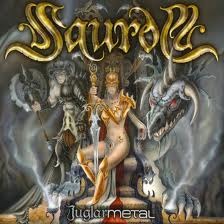
 View Artist